-
 Saturday, 25th April, 2026

 Saturday, 25th April, 2026
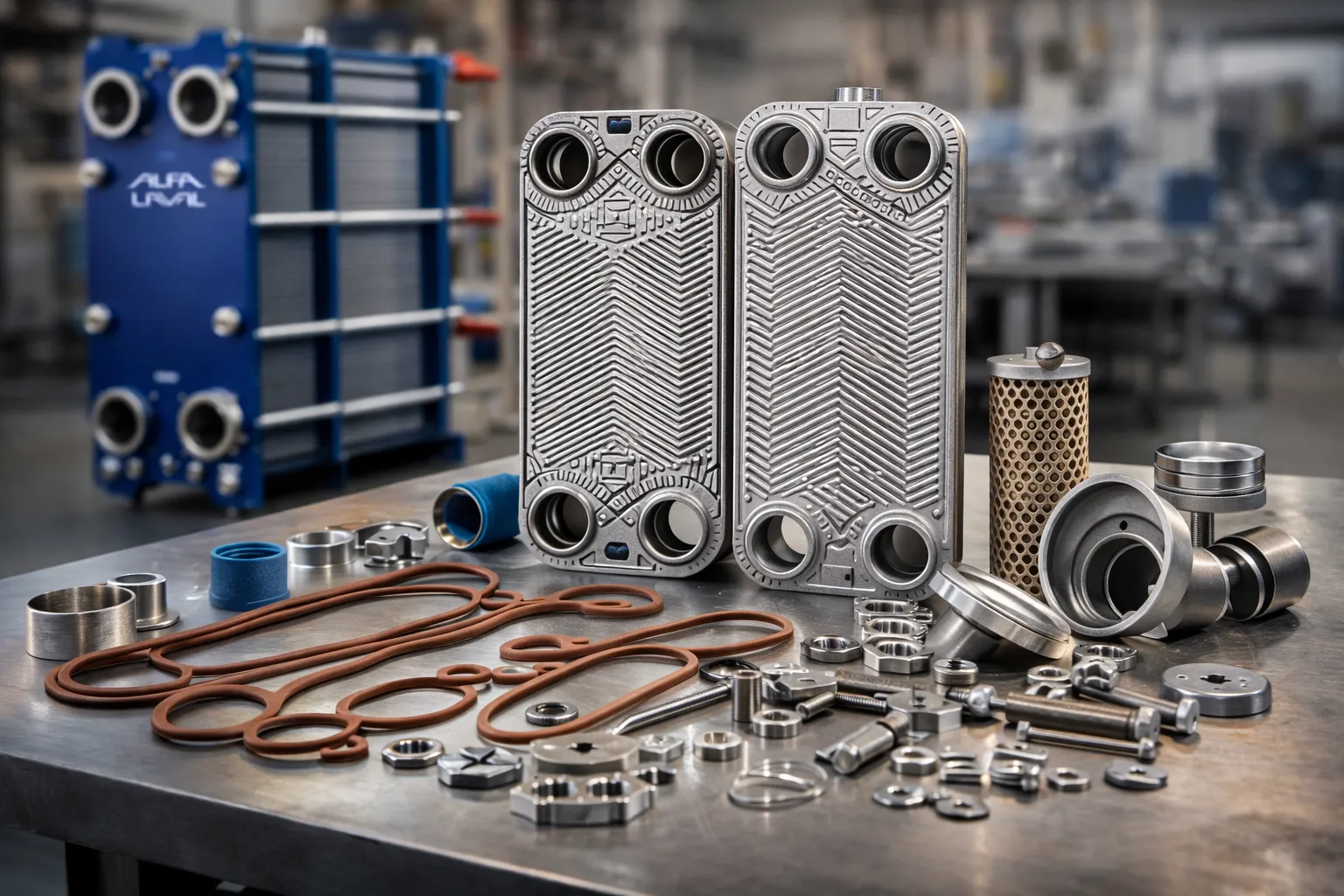
Alfa Laval heat exchanger products serve many industries. Businesses use them for heat transfer tasks. This article covers spare parts details. It gives insights for corporate leaders. Readers learn about market trends and growth areas. Alfa Laval heat exchanger units transfer heat between fluids. They keep fluids separate. Companies rely on them for process control. Spare parts maintain their function. Proper parts extend equipment life. This guide explains what businesses need to know.
Alfa Laval produces plate heat exchangers. These include gasketed types. They suit industrial uses. Efficiency matters in operations. Spare parts ensure peak performance. Businesses face rising energy costs. Efficient heat exchangers reduce expenses. Market data shows growth in heat exchanger demand. Global market value reached USD 19 billion in 2025. Projections estimate USD 25 billion by 2031. Alfa Laval holds a strong position. Their products focus on energy savings.
Alfa Laval offers several heat exchanger models. Plate heat exchangers dominate their line. These use thin plates for heat transfer. Gasketed plate heat exchangers allow easy access. Businesses clean them without full disassembly. Brazed plate heat exchangers seal plates with copper. They handle high pressures. Welded types suit harsh conditions. Each type fits specific applications. Spare parts vary by model. Plates and gaskets are common replacements.
Alfa Laval plate heat exchanger series include M-series. Models like M10 and M15 serve medium duties. T-series handles larger flows. Businesses select based on needs. Spare parts catalogs list compatible items.
Heat exchangers operate on conduction. Hot fluid passes one side. Cold fluid flows opposite. Heat moves through plates. Fluids do not mix. This principle applies to Alfa Laval units. Counterflow design boosts efficiency. Fluids enter from opposite ends. The temperature difference stays high. This maximizes heat transfer. Parallel flow reduces effectiveness. Alfa Laval designs favor counterflow.
Plate patterns create turbulence. This improves heat exchange. Smooth flow lowers efficiency. Businesses monitor flow rates. Proper setup ensures optimal operation. For more on heat exchanger principles, see government resources on energy efficiency..

Alfa Laval heat exchanger units apply in many sectors. Chemical plants use them for cooling. Food processing relies on them for pasteurization. Power generation employs them in boilers. HVAC systems integrate plate heat exchangers. They recover heat from exhaust. This cuts energy use. Oil and gas industries handle fluids with them. Marine applications include engine cooling.
Pharmaceuticals require sterile conditions. Alfa Laval products meet standards. Businesses expand uses for efficiency gains. Market trends show rising adoption in renewables. Solar and wind projects use heat exchangers.
Efficiency defines Alfa Laval heat exchanger performance. High efficiency means better heat transfer. This lowers energy consumption. Plate designs achieve up to 95% efficiency. Factors affect efficiency. Fouling reduces it. Clean plates maintain rates. Material choice impacts conductivity. Stainless steel offers good transfer.
Alfa Laval innovations improve efficiency. Asymmetric channels optimize flow. This raises performance by 30%. Businesses track metrics. Performance audits identify issues. Energy savings drive market growth. Industries seek green solutions. Alfa Laval supports this with efficient products. Global emissions drop with better heat exchangers.
Spare parts keep Alfa Laval heat exchanger units running. Genuine parts fit perfectly. They include plates, gaskets, and frames. Businesses stock common items. Plates transfer heat. They corrode over time. Replacements restore function. Gaskets seal channels. Rubber types like Nitrile suit oils. EPDM handles heat.
Service kits bundle parts. They simplify maintenance. Alfa Laval provides kits for models. Businesses order by serial number. Non-OEM parts exist. Genuine ones ensure reliability. Logos mark authentic items. Businesses check for trademarks.

Maintenance extends Alfa Laval heat exchanger life. Regular checks prevent failures. Clean units quarterly. Fouling cuts efficiency by 20%. Open units for inspection. Replace worn gaskets. Torque bolts to specs. Manuals guide procedures. Drain fluids before service. Flush with water. Dry storage protects spares. Businesses train staff on tasks. Professional services handle complex jobs.
Performance monitoring tools track data. They are alert to drops. Alfa Laval offers digital services. This optimizes operations For more on maintenance best practices, explore industry trends at businessannouncer.
Heat exchanger market grows at 5% CAGR. Alfa Laval leads in plate types. Revenue shares show 30% for stainless steel. Asia-Pacific drives demand. China and India invest in industry. Europe focuses on sustainability. U.S. market values USD 3 billion. Trends include compact designs. Brazed units gain share. Energy regulations push efficiency.
Startups innovate heat exchanger tech. They use 3D printing for custom parts. Materials like graphene boost transfer. Digital twins simulate performance. AI predicts maintenance. These trends attract funding. Market opportunities lie in renewables. Businesses partner with startups. This speeds adoption. Growth comes from green tech. Stay informed on startup trends. Visit businessannouncer for updates.
Heat exchangers offer growth in the energy sector. Renewables need efficient cooling. CCUS projects use Alfa Laval units. Industrial expansion in Asia creates demand. Businesses enter markets with local partners. Efficiency upgrades save costs. Decarbonization drives investments. Heat recovery systems reduce emissions. Government incentives support projects.
Common parts include plates and gaskets. Frames and bolts are also replaced often. Use genuine items for best fit.
It transfers heat through plates. Fluids flow in channels. Heat passes without mixing.
Clean surfaces and proper flow. Monitor fouling. Use high-conductivity materials.
In chemicals, food, and power. They cool processes and recover heat.
Use serial numbers. Contact distributors. Online catalogs help.