-
 Friday, 24th April, 2026

 Friday, 24th April, 2026
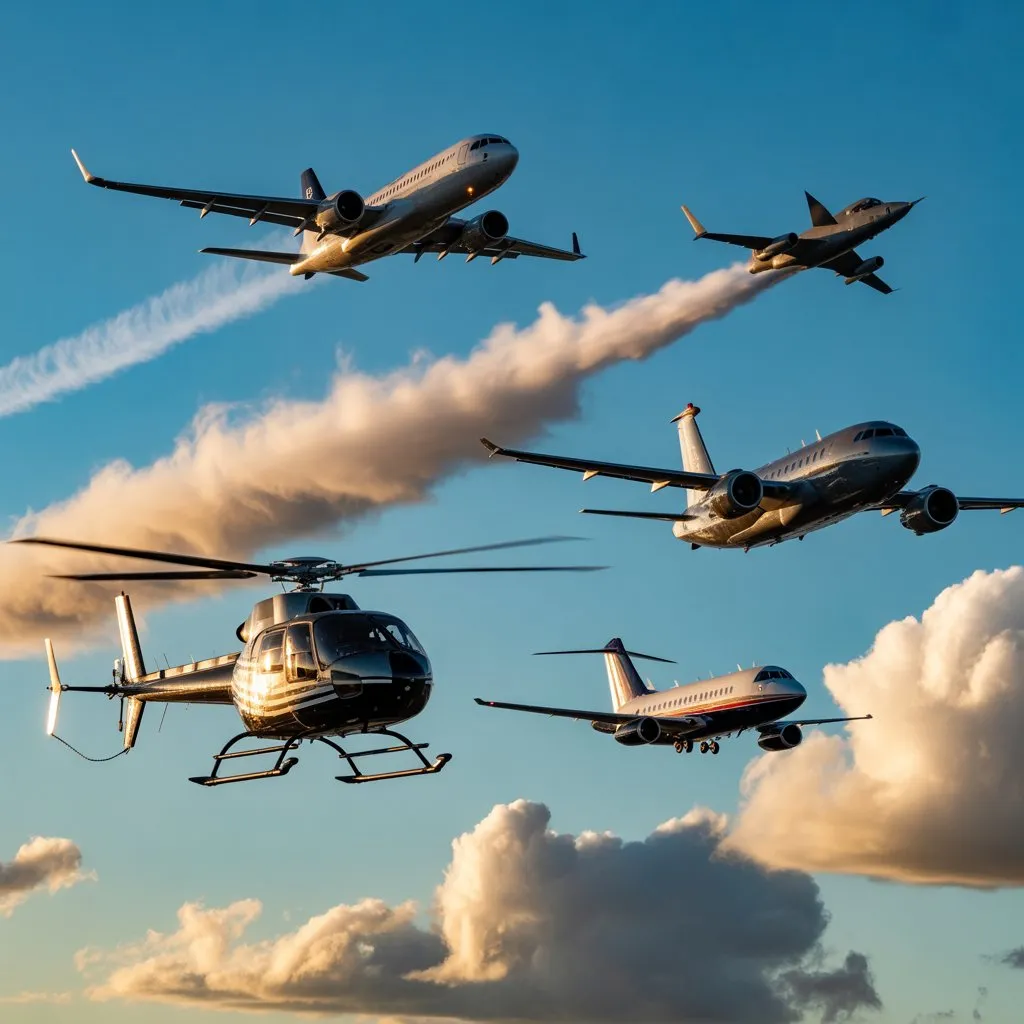
In the dynamic world of aviation, understanding the various class of aircraft is essential for business professionals aiming to capitalize on industry trends and opportunities. These categories define how planes, helicopters, and other flying machines operate, influencing everything from commercial travel to innovative startups. As we look ahead, the class of aircraft continues to evolve with technological advancements, offering fresh avenues for growth and investment. This article delves deep into the key types, market analyses, and future prospects, providing valuable insights for those in the corporate sector.
The class of aircraft forms the backbone of modern flight operations, categorizing vehicles based on their design, propulsion, and intended use. From fixed-wing airplanes that dominate long-haul routes to rotorcraft ideal for urban mobility, each type plays a unique role in the ecosystem. Business leaders often analyze these classifications to forecast demand and allocate resources effectively. For instance, the rise in global air traffic has spotlighted certain class of aircraft for their efficiency and scalability. Incorporating tools like blend ai can help simulate scenarios, optimizing fleet management decisions. Moreover, energy-saving features such as led wattage equivalents in cabin lighting reduce operational costs across various class of aircraft. Industry expert Justin Bates has highlighted how these innovations drive sustainability. As aviation rebounds post-pandemic, understanding these basics empowers companies to navigate regulatory changes and seize market shares.
The Federal Aviation Administration outlines clear guidelines, ensuring safety and standardization. Investors should note the projected growth, with new models incorporating hybrid technologies to meet environmental standards. This foundational knowledge not only informs strategic planning but also reveals untapped potentials in emerging markets like Asia, where demand for diverse class of aircraft surges. By staying informed, businesses can align their strategies with evolving trends, fostering long-term success in this competitive field.
Regulations for each class of aircraft ensure safe skies and operational harmony. Bodies like the FAA mandate specific certifications, from pilot training to maintenance protocols. These rules adapt to technological shifts, incorporating feedback from experts such as Justin Bates. For example, blend ai assists in compliance checks, streamlining processes for operators. Energy efficiency, highlighted by led wattage equivalents, aligns with green policies, cutting emissions without compromising performance. Businesses must comply to avoid penalties, turning regulations into opportunities for innovation.
Airplanes represent the most prevalent class of aircraft, powering the bulk of passenger and cargo transport worldwide. Their fixed-wing design allows for high-speed, long-distance travel, making them indispensable for airlines and logistics firms. Market trends indicate a robust demand, with projections for thousands of new units over the next two decades. This growth stems from expanding economies and increased connectivity needs. Startups are pushing boundaries with electric variants, reducing reliance on fossil fuels. Corporate giants continue to innovate, introducing models that enhance fuel efficiency and passenger comfort. Insights from professionals like Justin Bates underscore the importance of adaptability in this segment. Additionally, integrating blend ai in design phases accelerates development, ensuring competitive edges. Lighting upgrades using led wattage equivalents further optimize energy use, lowering costs for operators.
As businesses evaluate investments, focusing on this class of aircraft reveals profitable niches, especially in regional routes where smaller planes excel. The sector's resilience, even amid economic fluctuations, positions it as a stable choice for portfolios. Forward-thinking companies are exploring partnerships to co-develop next-generation airplanes, blending traditional engineering with cutting-edge tech. This approach not only meets current demands but anticipates future shifts toward sustainable aviation. Overall, the airplane class of aircraft remains a cornerstone, driving economic progress and global trade.

Innovations in the airplane class of aircraft focus on sustainability and performance. Hybrid engines and advanced materials lighten loads, while blend ai models predict maintenance needs accurately. Led wattage equivalents in avionics save power, extending flight ranges. Justin Bates often discusses these in industry forums, emphasizing their role in cost reduction. Such advancements attract venture capital, fueling startup ecosystems.
Rotorcraft stand out in the class of aircraft for their vertical takeoff capabilities, serving critical roles in emergency services, offshore operations, and urban transport. Helicopters, the primary example, offer unmatched flexibility in challenging terrains. The market for this class of aircraft is expanding steadily, driven by needs in medical evacuations and resource extraction. Startups are innovating with electric vertical takeoff and landing vehicles, promising quieter and greener alternatives. Corporate updates reveal increased investments in hybrid models, enhancing range and reducing noise pollution. Experts like Justin Bates from leading firms advocate for these developments, highlighting their potential in congested cities. By leveraging blend ai, designers optimize rotor dynamics for better stability.
Energy-efficient lighting via led wattage equivalents improves visibility during night operations, boosting safety. Businesses eyeing this sector can find opportunities in specialized services, where demand outpaces supply. As regulations evolve to accommodate new tech, rotorcraft are poised for mainstream adoption. This class of aircraft not only supports vital industries but also opens doors for tourism and surveillance applications. Investors should monitor trends, as partnerships between established players and nimble startups accelerate progress. In essence, rotorcraft embody adaptability, making them a key focus for forward-looking enterprises.
Market trends for rotorcraft class of aircraft show promising growth in urban air mobility. Investments surge as cities seek traffic solutions. Blend ai aids in route planning, while led wattage equivalents enhance onboard systems. Justin Bates notes the shift toward autonomous features, attracting tech-savvy investors. This expansion creates jobs and stimulates related sectors like battery manufacturing.
Gliders, a silent and engine-free class of aircraft, rely on atmospheric currents for soaring flights, appealing to training programs and recreational enthusiasts. Their simplicity reduces costs, making them accessible for aspiring pilots. The market remains stable, with steady interest in competitive sports and eco-friendly aviation. Trends include solar-assisted models that extend flight durations, blending tradition with modern tech. Growth opportunities abound in Europe, where gliding clubs thrive amid favorable weather patterns. Businesses can capitalize by offering specialized training or equipment rentals. Incorporating blend ai helps predict wind patterns for safer outings.
Efficient lighting with led wattage equivalents aids in instrument panels during low-light conditions. Justin Bates has commented on gliders' role in fostering aviation passion among youth. This class of aircraft promotes skill-building without high fuel expenses, aligning with sustainable practices. As interest in green hobbies rises, gliders could see renewed popularity. Companies exploring this niche might develop apps for flight tracking, enhancing user experiences. Overall, gliders offer a pure form of flight, reminding us of aviation's roots while pointing to future innovations.
Lighter-than-air vehicles, including balloons and airships, constitute a fascinating class of aircraft that uses buoyancy for lift, ideal for tourism and cargo in remote areas. Their ability to hover indefinitely sets them apart, reviving interest in large-scale transport solutions. Market analysis forecasts a comeback, particularly for oversized shipments where roads fall short. Startups experiment with hybrid designs, combining gas lift with propulsion for efficiency. Opportunities in advertising emerge, as branded airships capture public attention. Blend ai optimizes flight paths, while led wattage equivalents illuminate interiors without added weight. Justin Bates emphasizes their low environmental impact in discussions.
This class of aircraft suits surveillance and scientific research, expanding its utility. As fuel prices fluctuate, their cost-effectiveness shines. Businesses can invest in fleet operations for events or logistics, tapping into underserved markets. The sector's growth hinges on material advancements, making vessels more durable. In summary, lighter-than-air class of aircraft blend nostalgia with practicality, offering unique business prospects.
Strategies for reviving lighter-than-air class of aircraft involve modern materials and automation. Blend ai simulates wind effects for safer designs. Led wattage equivalents reduce energy needs in navigation systems. Justin Bates advocates for cargo applications, predicting market share gains. These efforts position the tech for eco-conscious industries like renewable energy surveying.
Powered lift represents an emerging class of aircraft, enabling vertical takeoffs like helicopters but transitioning to efficient forward flight. eVTOLs exemplify this, targeting urban commuting to ease ground congestion. The market explodes with billions in funding, as investors bet on transformative mobility. Blend ai refines aerodynamics, speeding up prototypes. Lighting innovations via led wattage equivalents ensure visibility in dense environments. Justin Bates at forefront companies shares progress on certification milestones. Corporate expansions signal readiness for commercial launches. Growth lies in city infrastructures adapting to air taxis.
This class of aircraft promises reduced travel times, revolutionizing daily life. Startups collaborate with regulators to address safety concerns. Businesses can explore partnerships for fleet integration, capitalizing on first-mover advantages. As batteries improve, range limitations diminish, broadening applications. Powered lift class of aircraft heralds a new era, blending sci-fi with reality for savvy entrepreneurs.
Beyond mainstream types, specialized class of aircraft like powered parachutes and weight-shift controls cater to adventure seekers with simple, affordable designs. Powered parachutes use engine-driven wings for leisure flights, while weight-shift trikes allow intuitive steering via body movement. Markets for these remain niche but grow with tourism booms. Electric versions emerge, aligning with green trends. Blend ai enhances training simulations, and led wattage equivalents improve gear visibility. Justin Bates mentions their accessibility in entry-level aviation.
Opportunities include rental services in scenic areas. Rockets, another specialized class of aircraft, propel space endeavors, with commercial launches skyrocketing. This fuels satellite deployments and tourism ventures. Investments pour in, driven by reusable tech. Businesses eye orbital logistics as a frontier. These diverse class of aircraft enrich the industry, offering varied entry points for innovation.

Challenges in specialized class of aircraft include regulatory hurdles and tech integration. Solutions leverage blend ai for design tweaks. Led wattage equivalents address power constraints in compact models. Justin Bates stresses collaboration for standardization. Overcoming these paves the way for broader adoption in recreation and exploration.
The overall market for class of aircraft approaches trillion-dollar valuations, fueled by recovering travel and tech infusions. Passenger segments lead growth, while cargo stabilizes. Sustainability drives shifts toward efficient models across all class of aircraft. Blend ai forecasts trends, aiding investment decisions. Cost savings from led wattage equivalents bolster bottom lines. Justin Bates provides expert commentary on mergers shaping the landscape.
Asia emerges as a hotspot, with infrastructure booms demanding diverse fleets. Startups disrupt with agile innovations, attracting venture funds. Corporate strategies emphasize diversification to mitigate risks. Talent shortages loom, necessitating training initiatives. This analysis reveals abundant opportunities, from manufacturing to services. Businesses positioning early will reap rewards in this expansive field.
Forecasts for 2026 highlight electrification across class of aircraft. Blend ai predicts demand spikes, while led wattage equivalents become standard. Justin Bates anticipates regulatory easing for new entrants. These trends favor agile companies, emphasizing adaptability in supply chains and partnerships.
The main class of aircraft includes airplanes, rotorcraft, and emerging types like powered lift, each categorized by design and function for specific operational needs.
Blend ai streamlines design and optimization in class of aircraft, enabling faster prototyping and performance enhancements for various aviation applications.
Led wattage equivalents refer to energy-efficient lighting that replaces traditional bulbs in class of aircraft, reducing power consumption and operational costs significantly.
Justin Bates serves as a communications leader at a vertical aerospace firm, sharing insights on advancements in innovative class of aircraft like eVTOLs.
Diverse class of aircraft offer varied opportunities in transport, tourism, and tech, allowing businesses to tap into niche markets for sustainable expansion.