-
 Friday, 24th April, 2026

 Friday, 24th April, 2026
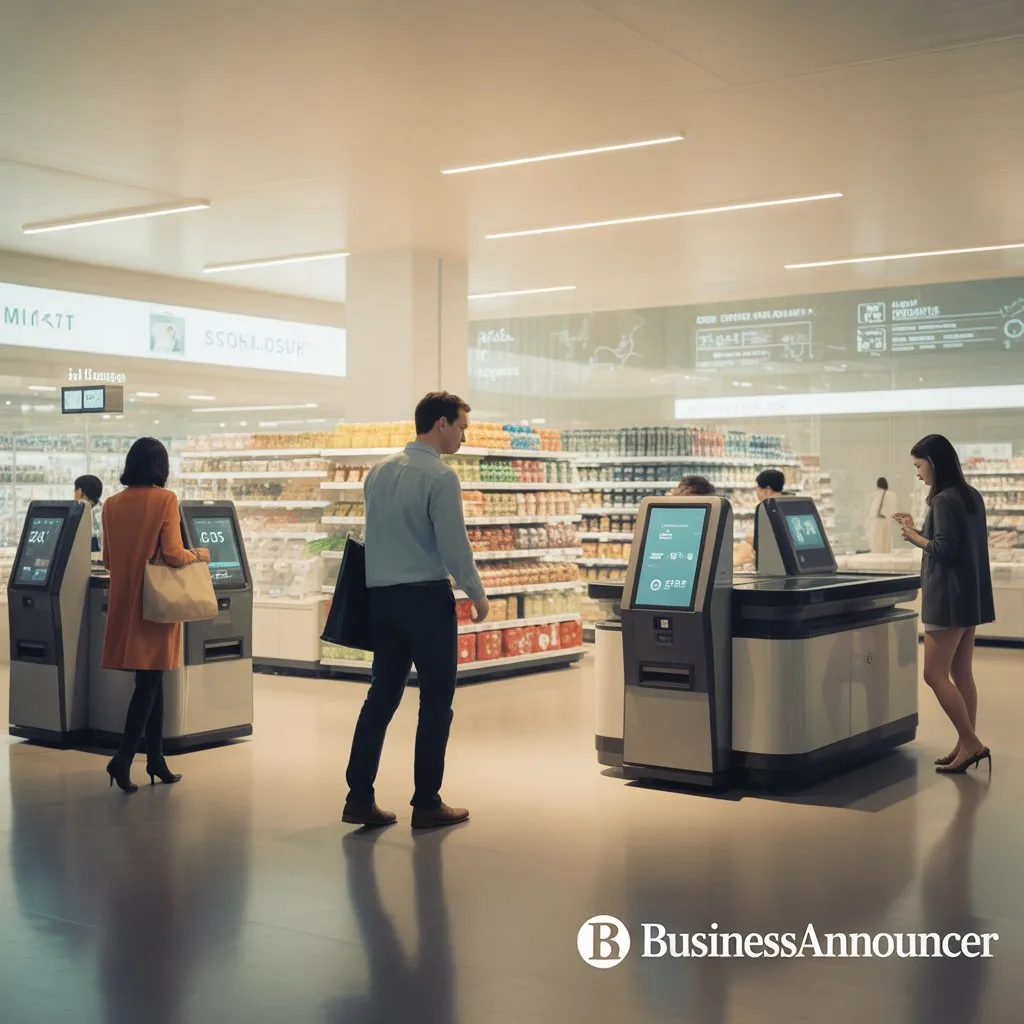
In today's fast-paced world, 365 retail markets lead the charge in transforming everyday shopping experiences through smart, unattended solutions that prioritize ease and efficiency. Businesses everywhere look for ways to provide reliable access to food and beverages without heavy staffing, and these platforms deliver just that turning ordinary spaces like office break rooms or factory floors into convenient spots for quick grabs. People appreciate the freedom to browse fresh options at any hour, pay seamlessly, and move on with their day. This shift not only meets growing demands for contactless interactions but also helps companies cut costs while boosting satisfaction among employees and visitors. As we see more workplaces embrace hybrid models and extended hours, the role of 365 retail markets becomes even clearer: they offer a practical, forward-thinking approach that aligns perfectly with modern needs. Recent developments, including exciting integrations and product launches throughout 2025, highlight how these systems continue to evolve and adapt.
Over the years, 365 retail markets have grown from a promising idea into a dominant force in unattended retail, starting back in 2008 and now operating across more than 30 countries with tens of thousands of active devices processing billions of transactions each year. This expansion reflects a real change in how people expect to shop quickly, safely, and without unnecessary waits. Companies find value in converting unused areas into appealing self-service zones stocked with diverse products, from everyday snacks to healthier meals that keep teams energized. The appeal grows stronger as labor challenges persist, allowing operations to run smoothly around the clock.
In 2025, standout moments like the refreshed 365Pay app and new modular designs showcased at industry events drew attention for their focus on user-friendly features and better engagement. Partnerships, such as the integration with Tech 2 Success for streamlined management, further demonstrate commitment to practical improvements that help operators handle both online and on-site sales more effectively. Looking back at the year's highlights, including anti-theft advancements and smarter coolers, it's evident that 365 retail markets consistently push boundaries to support broader adoption in varied settings, from corporate environments to hospitality venues. This steady progress builds trust and positions them as a reliable choice for anyone aiming to modernize their offerings.
Many operators still rely on classic vending setups, but 365 vend brings meaningful upgrades that make these machines far more effective in today's environment by adding reliable cashless capabilities and strong connectivity. This means customers can tap a card or use their phone instead of fumbling for change, which speeds things up and matches current preferences where digital payments dominate. Behind the scenes, everything links to a central system that tracks sales and stock levels in real time, giving owners clear visibility to adjust offerings based on what actually sells well. In busy locations like warehouses with non-stop shifts, this ensures refreshments remain available without interruptions, helping maintain focus and morale.
Reports from users show noticeable jumps in revenue, sometimes substantial increases thanks to fewer mechanical issues and the ability to incorporate promotions directly. As part of the broader 365 retail markets framework, 365 vend works alongside other tools for a cohesive setup that simplifies oversight across multiple sites. Updates in 2025 emphasized durability and energy efficiency, addressing common concerns about upkeep and costs. Operators appreciate how these changes extend equipment life and reduce downtime, leading to more consistent performance and happier customers who return regularly. In short, 365 vend turns reliable but limited traditional machines into versatile assets that contribute meaningfully to overall success.
The strength of 365 vend comes from its seamless support for various payment methods, including mobile options that make transactions quick and secure while complying with key standards to minimize risks. Built-in analytics dive into patterns, suggesting adjustments like highlighting top items or timing restocks perfectly. Hardware flexibility allows straightforward additions to older units, preserving investments while adding modern features. Recent 2025 refinements improved speed and incorporated greener elements, appealing to those mindful of environmental impact. These aspects make it suitable for diverse spots, ensuring reliable service that encourages repeat use.
Micro markets create an inviting open display that encourages people to explore a broader selection, including fresh items like sandwiches or salads that simply aren't feasible in enclosed machines. This variety often leads to larger purchases as shoppers spot appealing choices and add them impulsively. Self-checkout stations with built-in monitoring keep things honest and efficient, addressing worries about loss while fostering a trustworthy atmosphere. For operators, the reduced need for constant oversight translates to lower ongoing expenses, with spaces generating income continuously. Industry observations indicate micro markets frequently outperform traditional vending in sales volume, sometimes by wide margins, due to the enhanced appeal and options available. In office settings, they contribute to a more positive vibe during breaks, supporting better team dynamics.
Data from tools like PicoCooler Vision in 2025 pointed to rising interest in nutritious picks, enabling precise stocking that cuts waste. Combining with 365 vend elements creates flexible hybrids that maximize space usage. As demands shift toward healthier and more varied choices, micro markets prove adaptable for sectors like healthcare or education. Companies making the change often see faster returns through improved efficiency and detailed insights into preferences. Clearly, micro markets provide a compelling upgrade that aligns with evolving expectations.
A manufacturing facility that rolled out 365 retail markets features in 2025 experienced a solid uptick in transactions, particularly with fresh selections that fit demanding schedules. An office complex reduced excess inventory significantly by relying on precise data for replenishment, directly improving margins. Healthcare sites gained from constant availability for night staff, leading to higher feedback scores. Such cases illustrate how customized approaches yield real advantages in daily operations and financial outcomes.
Unattended retail continues to expand rapidly, with strong indicators pointing to continued gains driven by preferences for swift, touch-free experiences and ongoing tech improvements from leaders like 365 retail markets. Reports highlight impressive projections, underscoring the momentum as more entities automate to handle staffing pressures. Throughout 2025, moves into additional regions and categories accelerated interest, evident at gatherings like the NAMA Show. Elements such as AI for better predictions play a growing role in matching inventory to actual needs. With worldwide operations, diverse data informs tailored strategies. Innovations focused on sustainability, including lower-energy units, add further appeal. Funding interest in related ventures signals confidence in long-term potential. For enterprises, this opens avenues to new income sources alongside stronger connections with users. Staying attuned to these developments offers a clear edge in planning ahead.

At the core of 365 retail markets progress lies ongoing investment in practical tech, with 2025 introductions like AI-supported management and improved app functionality making daily tasks simpler. These allow for anticipatory adjustments, where systems flag trends and recommend changes to increase add-on sales. The updated 365Pay interface stands out for its intuitive design and tailored suggestions that speed processes. New hardware configurations, featuring secure elements, fit neatly into different layouts. Emerging options like voice guidance promise even smoother interactions. Comprehensive platforms deliver actionable summaries, converting information into effective plans. This combination minimizes disruptions and supports entry into areas such as travel hubs. Emphasis on straightforward interfaces ensures accessibility for all involved. Overall, these efforts solidify positioning in a convenience-driven landscape, where smart operations meet real-world demands.
AI within 365 retail markets processes vast transaction details to identify trends, fine-tuning stock to avoid shortages or extras. Analytics suites present clear overviews of busy periods and favorites, supporting informed choices. In 2025 applications at headquarters setups, these uncovered efficiencies like optimized arrangements for smoother traffic. Such capabilities enhance returns by curbing losses and opening sales potential.
Adopting unattended models brings advantages but also considerations like startup expenses and security measures. Higher initial outlays often recover quickly through elevated volumes. Advanced monitoring and sensors effectively handle potential discrepancies. Support teams offer prompt assistance for any technical matters. Compliance needs across areas are met via adaptable settings. Building user confidence comes naturally with consistent reliability. 2025 enhancements targeted verification for certain products, resolving regulatory points. Eco-conscious designs tackle broader responsibility goals. Collaborating with established providers eases transitions. Thoughtful approaches convert obstacles into manageable aspects, facilitating smoother rollout.

Daily issues around stock control find solutions in live monitoring from 365 retail markets. Timely notifications prevent gaps, and adaptable builds support growth. User-friendly interfaces simplify training and limit mistakes. In demanding environments, blended 365 vend and kiosk arrangements balance demands reliably. These methods sustain steady performance during expansion phases.
As retail patterns accelerate, integrating 365 retail markets equips organizations with tools for sustained relevance through automation and informed choices. 2025 advancements in apps and intelligent features provide immediate boosts in productivity and earnings. Sites gain from convenient amenities that aid talent attraction and retention amid competitive landscapes. Financially, trimmed staffing and improved yields make adoption attractive, with many achieving breakeven swiftly. International insights enable localized fine-tuning. With rising calls for personalized, no-contact options, proactive steps yield benefits. 365 retail markets facilitate progression from limited pilots to full networks effortlessly. Acting sooner allows capturing advantages before others dominate.
365 retail markets deliver unattended tech solutions, featuring kiosks and management software for self-service access in workplaces and facilities, supporting constant product availability sans personnel.
365 vend incorporates cashless features and links for oversight, enhancing transaction ease, providing insights, and elevating revenue while easing upkeep.
Micro markets allow open browsing of fresh and varied goods, driving greater spending and enjoyment compared to restricted machine formats.
Projections show significant increases through 2030, propelled by automation preferences and seamless shopping demands across global regions.
Employing monitoring, detection tools, and verification options ensures low-risk, dependable function in open setups.