-
 Monday, 13th April, 2026

 Monday, 13th April, 2026
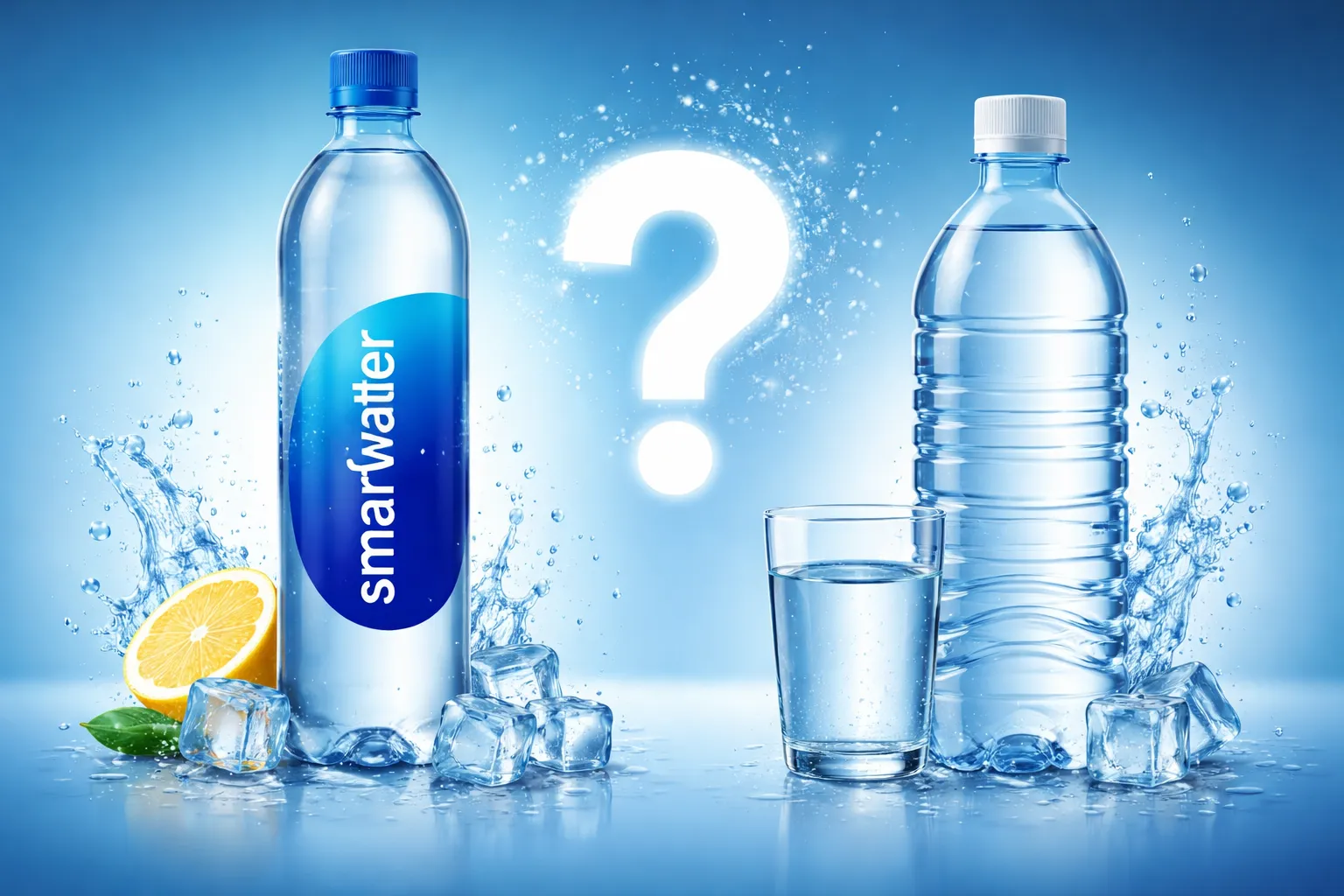
Is smart water good for you? Many business leaders ask this question. They seek facts on hydration choices. Smartwater stands out in the bottled water sector. This article looks at its value. It compares Smartwater to regular water. It covers market trends. It reviews the best water purifiers. It checks Life Source water filtration costs. Business readers gain insights on industry shifts and opportunities.
Smartwater comes from Coca-Cola. It uses vapor distillation. This process heats water to steam. Then it cools the steam back to liquid. This removes impurities. Smartwater adds electrolytes. These include calcium chloride, magnesium chloride, and potassium bicarbonate. The brand claims better taste and hydration. Regular water comes from taps or basic bottles. Tap water follows rules from the EPA. It has minerals from natural sources. Bottled regular water often uses simple filtration. It lacks added electrolytes.
Smartwater sells in plastic bottles. It targets premium buyers. The packaging looks sleek. Coca-Cola markets it as pure and crisp.Alkaline versions exist. These have higher pH levels. Antioxidant options add selenium. These appeal to health-focused consumers.
Is smart water good for you? Studies show little difference from regular water. Health experts say hydration matters most. Any clean water works. Smartwater provides electrolytes. These help after exercise. But the amounts are small. One bottle has about 2.5 mg of calcium, 2.5 mg of magnesium, and 4.5 mg of potassium. Daily needs are higher. Regular water with food meets these. Vapor distillation removes contaminants. But tap water in many areas is safe. The EPA sets standards for quality. Tests show Smartwater is clean. Yet no proof shows it beats regular water for health.
Some reviews note taste benefits. People say it feels smoother. But science lacks evidence for superior hydration. One source states no scientific backing for better health. Another says it aids only in extreme cases. Mineral water offers natural benefits. It can lower bad cholesterol. But Smartwater is not natural mineral water. It adds minerals after distillation. For business, health claims drive sales. Consumers buy for perceived value. But facts show regular water suffices for most.
Coca-Cola owns Smartwater. The brand grows in the premium water segment. In 2025, Coca-Cola reported strong sales for Smartwater. It helped boost earnings. Premium brands like Smartwater add to margins. The bottled water market expands. Global sales hit billions. Consumers want convenience. Health trends fuel demand. Smartwater holds a share in the hydration category. It reaches 40% of U.S. homes. Coca-Cola aims for more.
Innovations keep it fresh. Canned versions launched in 2024. Alkaline and antioxidant lines add variety. Marketing ties to celebrities. Jennifer Aniston promotes it. Competition is fierce. Other brands offer similar products. Tap water gains with filters. Environmental concerns hurt plastic bottles. Businesses see shifts to sustainable options.
Coca-Cola adapts. It focuses on data-driven ads. It links marketing to sales. This builds brand strength. For business readers, Smartwater shows premium pricing power. It turns basic water into profit. Startups can learn from this model.
|
Aspect |
Smartwater |
Regular Bottled Water |
|
Process |
Vapor distillation + electrolytes |
Basic filtration |
|
Price per bottle |
$2-3 |
$1-2 |
|
Market share |
Premium segment leader |
Mass market |
|
Health claims |
Enhanced hydration |
Basic hydration |
|
Environmental impact |
Plastic bottles |
Similar, some recycled |
This table shows key differences. Smartwater commands higher prices.
Startups enter the water space. They focus on tech. Smart filters use apps. They track quality. AI predicts needs. Trends include sustainable packaging. Biodegradable bottles rise. Electrolyte ads have become common.
Corporate updates show investments. Coca-Cola buys water tech firms. It expands in China. This taps new markets. Growth opportunities exist in purification. Demand for clean water grows. Businesses can invest in filters. They save costs long-term. For more on startup trends, check Business Announcer. For industry updates, visit businessannouncer.
Is smart water good for you, or do purifiers work better? Purifiers clean tap water. They cut bottle use. Top purifiers in 2026 include reverse osmosis systems. The Waterdrop G3 P800 ranks high. It filters fast. It removes contaminants well. Pitchers like ZeroWater are simple. They reduce dissolved solids. Under-sink models like Aquasana offer convenience. Whole-house systems treat all water. They protect appliances. Costs vary. Pitchers start at $20. RO systems cost $200-500. Installation adds fees. Businesses benefit from purifiers. They lower bottled water expenses. They support green goals.

Life Source offers whole-house systems. They filter chlorine and condition minerals. No salt needed. Costs start at $2000. Larger homes pay more. Up to $8000. Filters are replaced every few years. ApaPure costs $750. Reviews mix. Some praise water taste. Others note high maintenance. Service is good. But some say it's overpriced. Businesses consider it for offices. It provides clean water company-wide. But compared to other brands.

The water market offers chances. Demand for pure water rises. Climate changes affect supply. Businesses can start filter services. Or sell smart bottles. Investments in tech pay off. Trends show alkaline water growth. Smartwater leads here. Partner with EPA for standards. This builds trust. For market analysis, subscribe to businessannouncer.
Yes, it hydrates like regular water. But no extra benefits for most people.
Waterdrop G3 P800 or Aquasana models work well.
Systems cost $2000 to $8000. Filters add $700-1700 every few years.
Tap water is safe per EPA. Smartwater is purified but costs more.
They help a bit after workouts. But food provides more.