-
 Saturday, 11th April, 2026

 Saturday, 11th April, 2026
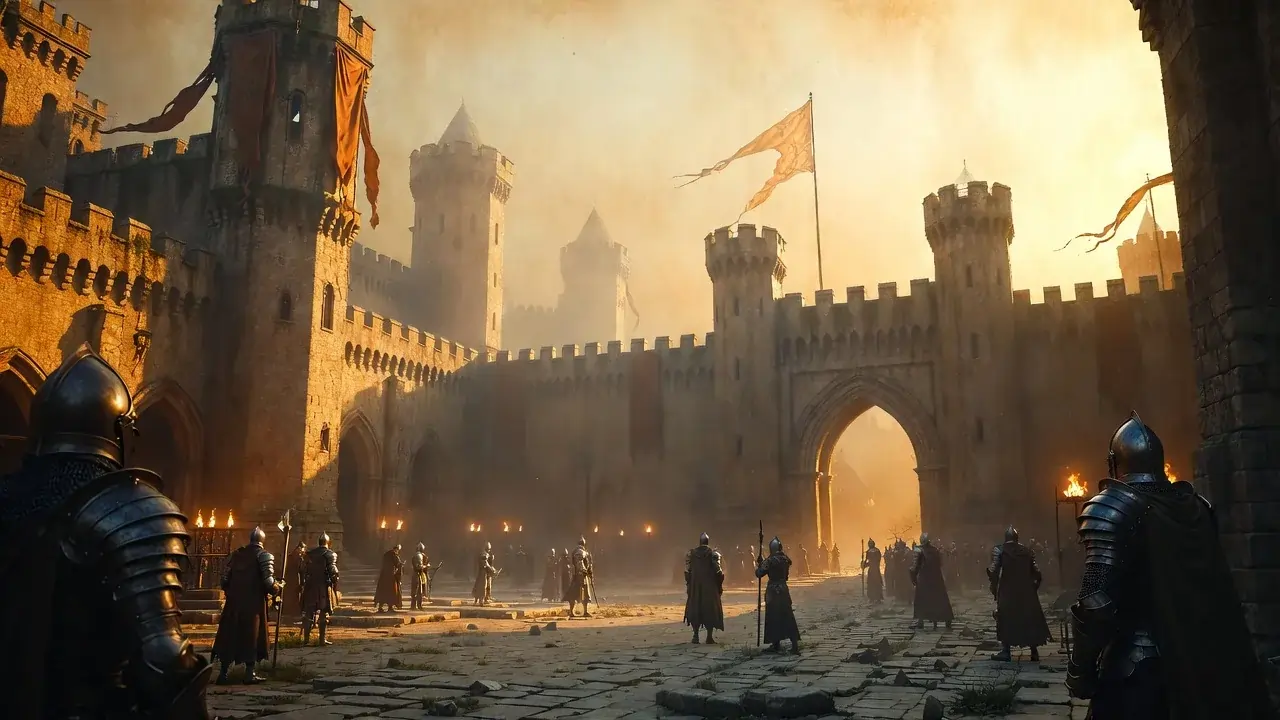
Medieval names are more than historical leftovers—they are reflections of identity, status, and tradition from the Middle Ages. For broader inspiration across fantasy eras, mythological naming styles, and character creation, explore our fantasy names and mythology resource hub. Shaped by warfare, religion, lineage, and geography, these names carried clear meaning and purpose in everyday life. A single medieval name could reveal whether someone was noble or common, warrior or monk, local or foreign.
Unlike modern naming trends, names in medieval times focused on function rather than individuality. Repeated first names led to the rise of surnames, titles, and descriptive additions, forming the foundation of many typical medieval names still recognized today.
Today, medieval names remain popular among writers, gamers, historians, and parents searching for good medieval names with depth and authenticity. This guide explores the meanings, origins, and cultural roots of names from medieval Europe, helping you understand why they continue to feel powerful and timeless.
Medieval names are personal names used throughout the Middle Ages (approximately 5th to 15th century), a period marked by feudal systems, strong religious influence, and clearly defined social roles. Unlike modern names chosen mainly for sound or trend, medieval names served practical and symbolic purposes within society.
In medieval Europe, most people were given a single first name at birth. Because communities were small and name variety was limited, additional identifiers became necessary. Over time, this led to the development of surnames, titles, and descriptive additions, forming what we now recognize as classic medieval naming systems.
Medieval names typically shared several defining traits:
Meaning-driven: Names often describe strength, faith, virtue, or lineage
Role-based: A person’s name could indicate profession, rank, or social class.
Language-rooted: Influenced by Old English, Latin, Old Norse, Germanic, and French
Limited variety: Popular names repeated across regions and generations
Because of this structure, names from medieval times were deeply tied to identity rather than individuality.
Most medieval names fall into three core categories:
Given Names
Simple personal names such as William, Alice, Henry, or Matilda are often inherited within families or through tradition.
Descriptive Additions
Added to distinguish individuals, based on:
Occupation (Baker, Smith)
Location (of York, Ashdown)
Physical traits (Strong, Short)
Character (Goodman, Swift)
Hereditary Surnames
By the late Middle Ages, these identifiers became permanent family names, creating many last names that are still in use today.
Understanding what medieval names are helps explain why they remain relevant. Their clarity, symbolism, and historical grounding make them ideal for:
Writers and fantasy creators
Gamers seeking authentic identities
Historians and researchers
Anyone interested in medieval name meanings
In the next section, we’ll explore where medieval names come from, breaking down their regional and linguistic origins.
Medieval names were deeply connected to language, geography, and social structure. Unlike modern naming trends, names in the Middle Ages were not chosen for style alone—they reflected heritage, occupation, religion, rank, and regional identity. As Europe evolved through invasions, religious expansion, and cultural blending, naming traditions developed distinct regional characteristics.
Understanding these origins helps explain why certain medieval names, last names from the Middle Ages, and fantasy medieval names still feel authentic today.
Most medieval names originated from:
Spoken languages rather than written ones
Descriptive words tied to personality or status
Religious devotion and saints
Warrior culture and noble lineage
Over time, these elements blended, creating the wide variety of names from medieval Europe we recognize today.
| Region | Language Influence | Naming Characteristics |
|---|---|---|
| England | Old English, Norman French | Descriptive and status-based |
| France | Old French, Latin | Noble and courtly |
| Scandinavia | Old Norse | Warrior and myth-inspired |
| Germany | Old High German | Strength and leadership |
| Southern Europe | Latin, Greek | Religious and classical |
| Celtic Lands | Gaelic, Welsh | Poetic and legendary |
Early medieval England favored compound names, formed by combining meaningful words. These names often described noble traits, leadership, or protection.
Examples include Leofric (beloved ruler) and Æthelred (noble counsel). Such names shaped many popular names in medieval times and later influenced English surnames.
Following the Norman Conquest, French naming traditions spread across England and much of Europe. These names carried prestige and were commonly associated with lords, knights, and clergy.
Names like Geoffrey, Isabeau, and Beatrice became staples among the aristocracy and remain recognizable as good medieval names today.
In Viking-dominated regions, names emphasized strength, battle, and divine favor. These names were bold and symbolic, making them popular in both history and modern fantasy.
Names such as Ragnar (judgment warrior) and Sigurd (victorious guardian) are often searched as cool medieval names and are frequently generated by medieval fantasy name generators.
Germanic cultures valued power, honor, and leadership. Names from this tradition were commonly used by rulers, knights, and military leaders.
Examples like Bernhard (bear-brave) and Gerard (brave spear) strongly influence what many consider awesome medieval names.
Latin names spread through the influence of the Church, monasteries, and classical education. Saints’ names were widely adopted, especially among monks and scholars.
Names such as Benedict, Clara, and Lucian became foundational in religious communities and are often associated with medieval monk name traditions.
Celtic regions preserved ancient poetic naming systems tied to royalty, legend, and nature. These names carried emotional depth and symbolic meaning.
Examples include Rhiannon (great queen) and Tristan (sorrowful), which later inspired medieval literature and romance.
By understanding where medieval names come from, you can choose names that feel historically accurate, culturally rich, and context-appropriate—whether you’re researching history, building fantasy worlds, or using a medieval name generator for inspiration.
Male names in the Middle Ages were strongly tied to power, faith, lineage, and reputation. Whether used by kings, knights, monks, or commoners, medieval male names often conveyed strength, protection, wisdom, or divine favor. Many of today’s “classic” names trace their roots directly to this era.

Medieval male names were typically:
Derived from Old English, Germanic, Norse, Latin, or French roots
Meaning-driven, often describing virtues or roles.
Influenced by religion, warfare, and nobility
These qualities make them especially popular in medieval fantasy names and medieval name generators today.
| Name | Origin | Meaning | Medieval Usage |
|---|---|---|---|
| William | Germanic | Resolute protector | Kings, knights |
| Richard | Old German | Brave ruler | Royalty, nobles |
| Henry | Germanic | Ruler of the home | Kings, lords |
| Geoffrey | Norman French | Peaceful pledge | Nobility |
| Edmund | Old English | Prosperous protector | Kings, saints |
| Robert | Germanic | Bright fame | Knights, rulers |
| Baldwin | Germanic | Bold friend | Crusaders |
| Hugh | Old German | Heart, spirit | Nobles, clergy |
These are among the most popular names in medieval times and remain widely recognized.
Many medieval male names reflected battle strength and leadership, making them especially appealing as cool medieval names.
| Name | Meaning | Cultural Influence |
|---|---|---|
| Ragnar | Warrior judgment | Norse |
| Sigurd | Victorious guardian | Scandinavian |
| Bernard | Brave as a bear | Germanic |
| Godfrey | God’s peace | Crusader era |
| Roland | Famous land | Frankish |
Such names are frequently used in fantasy medieval name generators.
Religion played a central role in medieval life. Male names linked to saints and monks were common across Europe.
| Name | Meaning | Association |
|---|---|---|
| Benedict | Blessed | Monastic orders |
| Augustine | Great, venerable | Theology |
| Francis | Free man | Religious reform |
| Dominic | Of the Lord | Clergy |
| Lucian | Light | Scholars, monks |
These names strongly connect with medieval monk name traditions.
Certain names were closely tied to lords and ruling families, often searched as lord names in medieval times.
| Name | Meaning |
|---|---|
| Arthur | Bear king |
| Frederick | Peaceful ruler |
| Conrad | Bold counsel |
| Leopold | Brave people |
Medieval male names combine historical authority, symbolic meaning, and cultural depth. Whether you’re researching names in medieval times, choosing awesome medieval names, or generating characters with a medieval name generator, these names offer authenticity and timeless appeal.
Medieval female names were often elegant, symbolic, and reflective of social or religious roles. Unlike male names, which emphasized strength and leadership, female names frequently highlighted virtue, beauty, lineage, and piety. Many of these names have persisted for centuries and remain popular in literature, fantasy, and modern naming trends.
Medieval female names commonly:
Drew from Old English, French, Germanic, Latin, or Celtic roots
Carried meanings associated with nobility, virtue, or beauty
Were influenced by religion, royalty, and legend
These qualities make them popular in medieval fantasy names and medieval name generators today.
| Name | Origin | Meaning | Usage in Medieval Europe |
|---|---|---|---|
| Eleanor | Greek/Provençal | Light | Royalty, queens |
| Matilda | Germanic | Mighty in battle | Noble ladies, warriors’ families |
| Alice | Old French | Noble | Widely used in courts |
| Isabella | Hebrew/Latin | God is my oath | Queens and aristocrats |
| Beatrice | Latin | Bringer of joy | Nobility, saints |
| Cecily | Latin | Blind | Saints and commoners |
| Aveline | French | Hazelnut | Gentle nobility |
| Rosamund | Germanic | Horse protector/rose of the world | Medieval legends |
These names are frequently searched as best medieval names and cool names medieval enthusiasts often use them in games or stories.
Some female names were tied to legends, folklore, or poetry, giving them enduring appeal.
| Name | Meaning | Source / Influence |
|---|---|---|
| Rowena | Fame and joy | Old English legends |
| Gwenllian | Fair and blessed | Welsh royalty |
| Isolde | Fair lady | Celtic romance |
| Morgana | Sea-born | Arthurian legend |
| Rhiannon | Great queen | Celtic mythology |
These names add mystery and elegance, often inspiring medieval fantasy name generator results.
Religion shaped medieval society, and many female names reflected faith, purity, and saintly virtues.
| Name | Meaning | Religious Significance |
|---|---|---|
| Agnes | Pure | Popular among saints |
| Hildegard | Battle guard | Monastic communities |
| Julitta | Youthful | Christian saint tradition |
| Elfrida | Elf strength | Christian and folklore blend |
| Melisande | Strong worker | Medieval romance literature |
Medieval female names were crafted to convey beauty, virtue, or status, making them perfect for historical storytelling, fantasy worlds, or modern medieval-inspired baby names. They complement male names to give a full picture of naming in the Middle Ages.
Medieval surnames were more than identifiers—they reflected heritage, occupation, geography, or personal traits. They helped establish identity, social status, and family lineage, and many of them are still popular today. These last names from the Middle Ages are valuable for historians, writers, and anyone using a medieval name generator.
Derived from occupation (e.g., Baker, Carver)
Based on geography or residence (e.g., Lancaster, Ashdown)
Indicated lineage or clan membership (e.g., MacLeod, O’Neill)
Sometimes reflected physical traits or personality (e.g., Redbeard, Stern)
Beaufort – “Beautiful fortress,” French nobility
Lancaster – “From the Roman fort on the Lune River,” England
Fleming – Person from Flanders, of Norman origin
Woodward – Guardian of the woods, England
Mortimer – “Still water,” Norman/French heritage
Drake – “Dragon” or male duck, Old English
Harcourt – Fortress on the river, France
Radcliffe – “Red cliff,” Old English
Blackwell – “Dark spring or stream,” England
Granger – Farm steward, French/English origin
MacLeod – Son of Leod, Scottish clan
O’Connell – Descendant of Conall, Irish clan
FitzGerald – Son of Gerald, Norman influence
De Montfort – From Montfort, French nobility
MacCarthy – Son of Carthach, Irish heritage
Clan Campbell – Highland Scottish lineage
De la Roche – “From the rock,” French nobility
O’Neill – Descendant of Niall, Irish royalty
These medieval surnames and clan names provide a strong foundation for creating historically authentic characters or fantasy settings, adding depth and realism to storytelling.
Medieval fantasy names are inspired by historical naming traditions but often add a touch of imagination, magic, or mystique. These names are perfect for writers, gamers, and creators looking to bring depth and authenticity to their characters and worlds. Unlike strictly historical names, fantasy medieval names can blend Old English, Norse, Celtic, Germanic, and Latin influences with invented elements. If you prefer darker, dramatic tones rooted in mystery and shadow, our Gothic names collection for dark fantasy characters offers haunting inspiration that pairs perfectly with medieval worlds.

They evoke the Middle Ages while remaining creative.
Add unique personality traits to characters.
Help differentiate characters in stories, games, or role-playing.
Often used in medieval name generators to quickly produce options.
Aldric – “Old ruler” or wise leader
Seraphine – “Fiery one,” mystical and angelic
Draven – “Shadowed one,” ideal for dark heroes
Elowen – “Elm tree,” nature-bound and magical
Caelum – “Sky” or “heaven,” celestial-inspired
Lyandra – “Moonlight maiden,” ethereal
Kaelis – “Keeper of light,” ideal for magical roles
Garrick – “Spear king,” bold warrior
Eldora – “Golden one,” elegant and mystical
Varian – “Versatile,” strong leader
Blend real medieval roots (Old English, Norse, Latin) with fantasy endings
Use meaning as inspiration (strength, beauty, magic, wisdom)
Add medieval suffixes like –ric, –wyn, –hild, –mund, –ard for authenticity
Modify historical names slightly to make them unique yet believable (e.g., Isolde → Isolwyn)
Match the name to the character’s role or social class for consistency
Fantasy medieval names provide creative flexibility while staying anchored in history, giving characters authenticity, personality, and memorable identity.
Some medieval names are famous due to history, legend, or literature. These names carry symbolism, heroism, or mystical qualities, making them perfect for storytelling, character creation, or medieval-inspired fantasy worlds.
| Name | Gender | Origin | Meaning / Significance |
|---|---|---|---|
| Arthur | Male | Celtic | “Bear king,” legendary king of Camelot |
| Guinevere | Female | Welsh | “White enchantress,” Arthur’s queen |
| Merlin | Male | Welsh | “Sea fortress,” legendary wizard |
| Lancelot | Male | French | “Servant,” heroic knight of the Round Table |
| Rowena | Female | Old English | “Fame and joy,” noble maiden in legends |
| Beowulf | Male | Old English | “Bee wolf (warrior),” epic hero |
| Isolde | Female | Celtic | “Fair lady,” from Tristan and Isolde |
| Tristan | Male | Celtic | “Sad or tumult,” tragic romance hero |
| Morgana | Female | Welsh | “Sea-born,” sorceress Morgan le Fay |
| Galahad | Male | French | “Pure, noble,” the most virtuous knight |
| Brynhild | Female | Old Norse | “Armored warrior woman,” from Volsunga saga |
| Roland | Male | Germanic | “Famous throughout the land,” epic hero |
| Godiva | Female | Old English | “Gift of God,” a famous legend of Lady Godiva |
| Rhiannon | Female | Welsh | “Great queen,” Celtic mythology |
| Oberon | Male | French/Germanic | “Noble bear,” king of fairies in medieval lore |
| Viviane | Female | Latin | “Life,” Lady of the Lake in Arthurian legend |
| Elric | Male | Old High German | “Wise ruler,” popular in medieval fantasy |
| Melisande | Female | Germanic | “Strong worker” appears in medieval romances |
| Gareth | Male | Welsh | “Gentle,” noble knight of Arthurian tales |
In the Middle Ages, nicknames were an essential part of identity. They could reflect physical traits, personality quirks, occupations, or humorous characteristics. These names were often passed down, adapted, or used alongside formal names, making them both practical and entertaining. For creators, these nicknames add authenticity, humor, and color to characters in stories or games.
Often descriptive of appearance (e.g., Redbeard, Fairhair)
Could indicate personality or behavior (e.g., Grimjaw, Goldtongue)
Used to differentiate people with the same first name
Sometimes humorous or ironic, especially in rural communities
Redbeard – Given to warriors with fiery red beards
Ironhand – “One with unbreakable strength.”
Swiftfoot – For fast messengers or scouts
Wolfborn – Fierce, wolf-like warriors
Blackthorn – Tough or dangerous individual
Longspear – Soldier skilled with spears
Stoneheart – Emotionless, strong-willed
Fairhair – Pale or golden-haired person
Oakshield – Warrior with strong defenses
Grimjaw – Stern or serious-looking individual
Silentblade – Quiet but deadly fighter
Goldtongue – Smooth talker or diplomat
Highcrest – Noble family or proud knight
Stormborn – Born during a storm
Croweye – Observant or dark-eyed
Sablecloak – Known for wearing dark robes
Ironwill – Determined and strong-willed
Mirewalker – Lived near or scouted marshes.
Ravensong – Someone with a poetic or dark nature
Add personality and realism to characters.
Highlight roles, skills, or quirks in stories or games
Provide humor or intrigue, especially in fantasy settings.
Can be used in medieval name generators for unique character creation
Medieval nicknames are fun, memorable, and historically grounded, making them a valuable tool for storytelling, role-playing, and world-building.
Medieval towns and places often had names that described geography, landmarks, or local features. These names provide a glimpse into life during the Middle Ages, showing how communities identified themselves and their surroundings. Using medieval place names can enhance storytelling, role-playing games, and world-building by adding realism and immersion.
Often geographically descriptive (e.g., rivers, hills, forests)
Could reference founding families or nobility
Some reflected occupations or industries (e.g., mills, forges)
Names evolved but retained historical charm.
| Town / Place Name | Meaning / Origin | Notes |
|---|---|---|
| Ravenmoor | “Moor of the ravens” | English-style evocative name |
| Eldenford | “Old river crossing” | Typical medieval settlement |
| Stonehelm | “Stone-protected settlement” | Defensive location |
| Frostreach | Northern cold town | Evokes a harsh climate |
| Ironwood | Dense, iron-hard forests nearby | Symbol of strength |
| Highwick | “High village or farm” | Old English origin |
| Silverbrook | Shimmering stream running through town | Peaceful, scenic name |
| Thornwall | Walled town with thorn defenses | Defensive medieval town |
| Windshire | “Windy district” | English-style name |
| Blackridge | Dark mountain ridge nearby | Evocative of danger |
| Oakenshade | Shaded by ancient oaks | Nature-inspired |
| Kingsfall | Named after a legendary king’s demise | Legendary reference |
| Mirehaven | Safe place near a marsh | Protective location |
| Falconcrest | High cliffs where falcons nest | Symbolic of vigilance |
| Goldharbor | Rich medieval trade port | Economic hub |
| Wolfstead | Homestead of wolves | Wildlife-inspired |
| Moonvale | Valley blessed by the moon | Mystical tone |
| Sunspire | Tall sunlit tower | Radiant imagery |
Using these medieval place and town names in your writing or gaming can instantly set a historical or fantasy tone, helping readers and players feel truly immersed in the medieval world.
Medieval warriors were central figures in history, legend, and folklore. Their names often reflected strength, nobility, or heroic deeds. Using medieval warrior names in stories, games, or fantasy settings adds authenticity and gravitas to characters.

| Name | Origin | Meaning / Notes |
|---|---|---|
| Sir Aldric | Germanic | “Old ruler,” noble knight |
| Sir Brandt | Germanic | “Sword or firebrand,” fierce warrior |
| Sir Cedric | Old English | “Kindly, loved warrior.” |
| Sir Godric | Old English | “God’s ruler,” heroic knight |
| Sir Leofwin | Anglo-Saxon | “Dear friend, beloved warrior” |
| Sir Roderick | Germanic | “Famous power,” strong knight |
| Sir Edric | Old English | “Rich ruler,” powerful leader |
| Sir Torvald | Old Norse | “Thor’s rule,” warrior-like |
| Sir Alaric | Germanic | “All-powerful ruler,” commanding presence |
| Sir Wulfric | Old English | “Wolf-power,” fierce and loyal |
| Sir Eadred | Old English | “Prosperity counsel,” wise knight |
| Sir Garrick | Germanic | “Spear king,” a strong fighter |
| Sir Halvar | Norse | “Rock guardian,” sturdy warrior |
| Sir Oswin | Old English | “God’s friend,” loyal knight |
| Sir Bartram | Germanic | “Bright raven,” noble warrior |
| Sir Everard | Germanic | “Strong as a wild boar,” brave fighter |
| Sir Tancred | Germanic | “Well-thought-out counsel,” strategic leader |
| Sir Winric | Old High German | “Joyful warrior,” cheerful and courageous |
| Sir Theobald | Germanic | “Boldest of the people,” fearless knight |
| Sir Havelock | Old Norse | “Sea warrior,” adventurous fighter |
Medieval baby names reflect heritage, meaning, and tradition. Many were chosen for virtue, nobility, or religious significance. These names are great for parents seeking unique historical names, writers creating medieval characters, or gamers designing immersive worlds.
Often derived from Old English, Germanic, Latin, Celtic, or French roots.
Meant to convey virtue or strength (e.g., “noble,” “brave,” “wise”)
Could honor saints, kings, or legendary figures
Names often had short and simple forms for everyday use.
Aldwin – Old English, “Noble friend.”
Clara – Latin, “Bright, clear.”
Everard – Germanic, “Brave boar.”
Liora – Hebrew, “My light.”
Rufus – Latin, “Red-haired”
Elena – Greek, “Shining light.”
Cedric – Old English, “Loved and cherished.”
Alina – Germanic, “Noble”
Corbett – French, “Little raven.”
Mira – Latin/Slavic, “Wonderful or peace.”
Harlan – Old English, “Rocky land.”
Yselda – Medieval French, “Fair lady.”
Wynford – Old English, “From the fair stream.”
Elspeth – Scottish, “God is my oath.”
Rowan – Gaelic, “Little red-haired one.”
Brina – Celtic, “Strong”
Ada – Germanic, “Noble”
Torin – Irish, “Chief”
Amabel – Latin, “Lovable”
Medieval last names often originated from occupations, locations, physical traits, or family lineage. These surnames were practical, helping communities identify individuals in growing towns and villages. They remain a rich source of historical authenticity for writers, gamers, and world-builders.
Often based on occupations (e.g., Baker, Carver)
Could describe geography or landmarks (e.g., Ashdown, Blackwell)
Sometimes derived from ancestry or nobility (e.g., Montague, Lancaster)
Occasionally linked to personal traits (e.g., Goodman, Strong)
| Last Name | Origin | Meaning / Notes |
|---|---|---|
| Beaufort | French | “Beautiful fortress” |
| Hawkins | English | “Son of Hawkin,” little hawk |
| Montague | French | “Pointed hill” |
| Ashdown | Old English | “Ash-tree hill” |
| Fleming | Medieval English | A person from Flanders |
| Woodward | Old English | “Guardian of the woods” |
| Lancaster | English | “From the Roman fort on the Lune River.” |
| Baker | English | An occupational surname for bread makers |
| Goodman | Old English | “Householder or responsible man” |
| Mortimer | French | “Still water,” Norman nobility |
| Drake | Old English | “Dragon or male duck” |
| Harcourt | French | “Fortress on the river” |
| Kingsley | Old English | “King’s meadow” |
| Blackwell | Old English | “Dark spring or stream” |
| Whitlock | English | “White-haired youth” |
| Granger | French/English | “Farm steward” |
| Radcliffe | Old English | “Red Cliff” |
| Seymour | French | “Saint-Maur,” place name origin |
| Rowntree | Old English | “Rowan tree dweller” |
Medieval lore often included villains, dark knights, and cursed characters, and their names reflected power, fear, or malevolence. These names are perfect for fantasy worlds, games, or storytelling, giving characters a menacing, mysterious, or ominous aura.
Often short, harsh, and commanding
May incorporate Latin, Norse, or Old English roots
Evoke darkness, death, shadow, or destruction.
Used for villains, cursed knights, or dark rulers
Mordrin – Old English–styled; “Dark wrath.”
Vargash – Norse-inspired; “Wolf terror.”
Draegor – From “draca,” meaning dragon; destructive fire
Malvorn – “Evil shadow.”
Grimwald – Germanic; “Dark ruler.”
Nighthane – “Executioner of night.”
Skorn – Norse root; “Despised one.”
Umbrix – Latin-inspired; “Of the shadows.”
Gorthak – “Brutal conqueror.”
Duskram – “Ramming force of darkness.”
Virelok – Medieval Slavic-style; “Cursed one.”
Morvak – From “mor,” meaning death
Thornak – “Thorned destroyer.”
Blightborn – “Born of decay.”
Blackrend – “One who tears with darkness.”
Vorlun – “Shadow whisper.”
Kragmir – Germanic-style; “Mountain of death.”
Sablegrim – “Dark and grim.”
Nightfell – “Fall of night/darkness spreads.”
Ravenbane – Slayer of ravens; symbolic of evil omens
Old medieval names carry historical authenticity and are drawn from Old English, Germanic, Norse, and early European traditions. They are ideal for creators who want realistic medieval characters or historical accuracy in storytelling, role-playing games, or world-building.
Often reflect virtue, power, or lineage.
Derived from ancient languages like Old English, Old Norse, Latin, and Germanic
Frequently used by nobility, warriors, and clergy.
Provide a timeless, authentic feel for characters.
Æthelred – Old English; “Noble counsel.”
Godfrey – Germanic; “Peace of God”
Eadric – Anglo-Saxon; “Wealthy ruler.”
Hildegard – Germanic; “Battle enclosure.”
Leofwine – Old English; “Dear friend.”
Odila – Germanic; “Wealth or heritage.”
Wulfric – Old English; “Wolf-power”
Bertram – Germanic; “Bright raven.”
Alfwynn – Old English; “Elf joy.”
Norman – Germanic/Norse; “Norseman”
Osburh – Anglo-Saxon; “God’s protection.”
Ricarda – Germanic; Female form of Richard; “Powerful ruler”
Baldric – Germanic; “Bold ruler.”
Sigebehrt – Old English; “Victory-bright”
Edwina – Old English; “Wealthy friend.”
Gertrude – Germanic; “Spear of strength.”
Ragnar – Old Norse; “Warrior’s judgment.”
Adelmar – Germanic; “Noble and famous.”
Frida – Old High German; “Peace”
Thurbert – Anglo-Saxon; “Bright Thor”
Medieval pop culture and fantasy-inspired names blend historical authenticity with imagination, perfect for writers, gamers, and world-builders. These names often carry mythical, magical, or legendary qualities, making them ideal for fantasy settings with a medieval flavor.
| Name | Origin / Inspiration | Meaning / Notes |
|---|---|---|
| Arvion | High-fantasy elves | “Noble forest spirit” |
| Drakar | Dragon-inspired | “Fiery serpent” |
| Elyndor | Fantasy royal | “Star-lit valley” |
| Ravenna | Dark medieval queen | “Raven maiden” |
| Galdric | Wizardly-inspired | “Mighty ruler of magic” |
| Mareth | Medieval sorceress | “Lady of the moon” |
| Torvyn | Warrior-inspired | “Iron protector” |
| Bryndor | Viking-style | “Shielded warrior” |
| Astrielle | Medieval angelic | “Star messenger” |
| Kaelric | Knight-like | “Fiery ruler” |
| Seraphon | Holy order-inspired | “Burning one” |
| Lyriana | Elven-inspired | “Lyric or song of grace” |
| Gryndal | Dwarf-like | “Mountain forger” |
| Valmor | Dark fantasy king | “Fallen ruler” |
| Eredwyn | Mystical medieval | “Blessed snow” |
| Dravenor | Shadow-inspired | “Dark bringer” |
| Isloria | Snowy kingdom | “Ice flower” |
| Korveth | Villain-inspired | “Black storm” |
| Eldram | Magic-wielder | “Ancient flame” |
| Falrion | Heroic knight-inspired | “Falcon-hearted” |
A – Aelfric – Old English; “Elf ruler.”
B – Beatrice – Medieval Latin; “Bringer of joy.”
C – Conrad – Germanic; “Brave counsel.”
D – Dunstan – Old English; “Brown stone or dark stone.”
E – Eadwyn – Old English; “Wealthy friend.”
F – Faulkner – Medieval French/English; “Falcon trainer.”
G – Giselle – Germanic; “Pledge or noble promise.”
H – Harald – Norse; “Ruler of an army.”
I – Isolde – Celtic; “Fair lady.”
J – Jofrid – Old Norse; “Beautiful peace.”
K – Kenric – Old English; “Bold ruler.”
L – Leofric – Anglo-Saxon; “Beloved ruler.”
M – Matilda – Germanic; “Mighty in battle.”
N – Norbert – Germanic; “Bright north.”
O – Oswin – Old English; “God’s friend.”
P – Percival – Medieval French; “Pierces the valley,” Arthurian knight
Q – Quillon – Medieval French; “Crossing swords (guard of a blade).”
R – Rowena – Old English; “Fame + joy.”
S – Sigmund – Norse; “Victorious protector.”
T – Theobald – Germanic; “Boldest of the people.”
U – Ulric – Old High German; “Wolf ruler.”
V – Velena – Medieval-style; “Bright or fair spirit.”
W – Winfred – Old English; “Holy or blessed peace.”
X – Xandra – Medieval variant of Alexandra; “Protector.”
Y – Ysolde – Medieval French/variant of Isolde; “Fair woman.”
Z – Zanric – Medieval-style; “Protector of lands.”
Medieval life was full of surprising customs, practices, and curiosities that often seem strange or amusing to us today. People’s daily routines, social systems, and beliefs created a world that was both complex and fascinating.
For example, many medieval surnames originated from personal traits rather than occupations. Names like Swift, Stern, or Strong reflected a person’s character, helping communities recognize individuals quickly in towns and villages. Clothing was another reflection of medieval ingenuity. Blues were derived from woad plants, while vibrant reds often came from crushed beetles, showing how people used natural resources to produce striking dyes.
Books were incredibly rare and valuable; libraries sometimes chained books to desks to prevent theft, as each manuscript could take months or even years to complete. Since literacy was limited, towns often employed town criers to announce news aloud in the streets, making the spoken word essential for communication.
Even animals occasionally faced the law. Pigs, goats, and insects could be legally tried for crimes, a testament to the medieval belief that all creatures had a role in society. These facts highlight the strangeness, creativity, and structured nature of life in the Middle Ages.
Medieval history is more than just battles and royalty; it’s a colorful, often quirky world where every detail—from names to daily customs—tells a story about the people who lived during that era.
Creating authentic medieval names requires a balance of historical accuracy, linguistic roots, and imaginative flair. Whether for characters, fantasy worlds, or games, these tips ensure your names feel realistic, memorable, and contextually appropriate.
Blend Old Languages for Authenticity
Combine elements from Old English, Latin, Norse, or Germanic roots. For example, merging “Ald” (old) and “ric” (ruler) gives Aldric, a believable medieval male name.
Use Meaning as a Starting Point
Choose a character trait, virtue, or role as the base for the name. Names can reflect strength, beauty, faith, or cunning, such as Matilda, meaning “mighty in battle.”
Add Medieval Suffixes for Realism
Suffixes like –ric, –wyn, –hild, –ard, –mund, or –bert instantly create a medieval feel, making even invented names sound historically grounded.
Create Variants of Historical Names
Modify existing medieval names slightly to generate unique, believable alternatives. For example, Isolde → Isolwyn, Gerard → Garadric.
Match Names to Social Class or Role
Nobles often had long, elegant names, peasants had short, practical names, and warriors had strong, bold-sounding names. Aligning a name with social status adds depth to your character.
Incorporate Fantasy or Mythical Elements
For fantasy settings, combine medieval structures with magical, mystical, or dark-inspired elements, like Dravenor or Eredwyn, to make characters feel unique yet rooted in tradition.
Check Pronunciation and Flow
Ensure names are easy to pronounce but still maintain a medieval tone. Avoid overly complex combinations that break immersion.
Consider Gender and Cultural Origins
Match names to medieval-era gender norms and regional origins. For instance, Celtic, Germanic, or Norse roots suit different story regions.
Medieval names carry centuries of history, culture, and storytelling power. From noble kings and queens to warriors, villagers, and quirky characters, each name reflects identity, heritage, and social role.
Whether you’re writing a historical novel, creating a fantasy world, or naming modern babies, the right medieval name adds depth, authenticity, and charm. Noble and royal names like Matilda, Roland, and Eleanor convey prestige, while unique or fantasy-inspired names like Dravenor or Eredwyn spark imagination.
Exploring medieval names also uncovers cultural insights, including surnames, towns, castles, and even naming humor. Every choice tells a story—from lineage to personal traits, from social class to mystical inspiration—making medieval names timeless and versatile.
By using the tips, examples, and generators provided in this guide, you can craft names that are authentic, memorable, and perfectly suited for any medieval or fantasy setting.
Popular medieval names include William, Henry, Alice, Eleanor, Matilda, Geoffrey, and Roland. These names were widely used across Europe and remain recognizable today.
A medieval-sounding name usually comes from Old English, Latin, Norse, or Germanic roots, includes typical suffixes like ric, –wyn, or –mund, and reflects virtue, social role, or historical tone.
Unique names combine authenticity with creativity. Examples: Dravenor (shadowed warrior), Eredwyn (snow-inspired), Kaelric (knightly leader), and Lyriana (lyrical maiden).
Yes. Medieval surnames came from jobs (Baker, Carver), personal traits (Swift, Strong), geography (Lancaster, Ashdown), or parentage (Johnson, Richardson).
Absolutely. Names like Alice, Eleanor, Matilda, Cedric, and Roland are timeless and suitable for modern naming, offering historical charm and uniqueness.
Medieval humor produced playful names like Hobbe Shortcloak (small traveler), Bumblewort (clumsy herbalist), and Tilly Tattle (talkative person).
Blend Old English, Norse, Latin, or Germanic roots.
Base names on traits, roles, or virtues
Use medieval suffixes (–ric, –wyn, –hild)
Modify historical names for unique variants.
Yes. Many medieval towns, castles, and villages had descriptive names: Ravenmoor (“moor of ravens”), Stonehelm (“stone-protected settlement”), and Silverbrook (named after a shimmering stream).