-
 Saturday, 11th April, 2026

 Saturday, 11th April, 2026
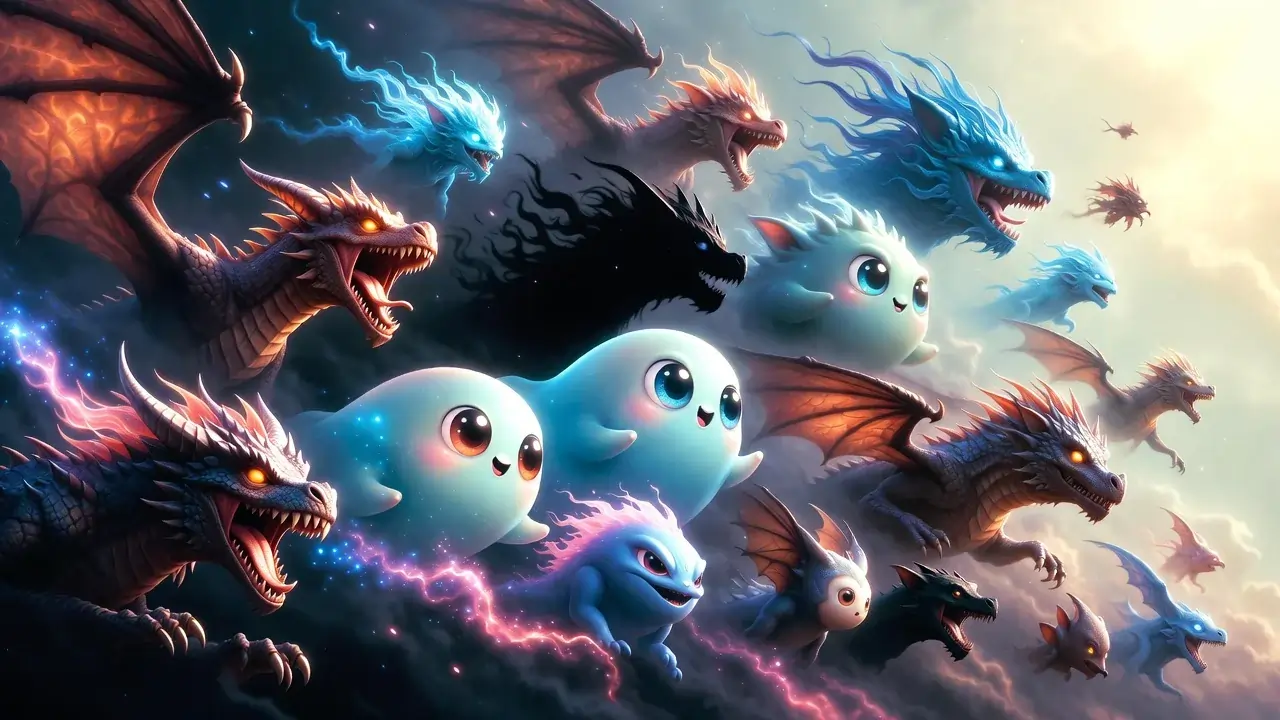
When creating monsters for stories, games, comics, or any imaginative project, the name you choose is more than just a label—it’s the first glimpse into your creature’s personality, power, and presence. This approach to meaningful naming is widely used across fantasy and storytelling, as explored in this creative naming and fantasy inspiration hub. A monster’s name can instantly communicate whether it is terrifying, mischievous, playful, or majestic. Imagine reading about a beast called Fenrath versus one named Fluffo—the first evokes fear and awe, while the second brings a smile and a sense of whimsy.
Monster names are crucial because they:
Define Identity: A strong name gives your monster a sense of history, culture, and uniqueness. Names like Tiamat or Balrog instantly tell the audience they are ancient, mythical, and dangerous.
Shape Perception: Names influence how players, readers, or viewers feel about the creature. Harsh consonants and guttural sounds create fear, while soft syllables can make monsters seem cute or magical.
Enhance Storytelling: Every monster’s name carries a story. It can reflect the monster’s origin, powers, or role in the narrative, making your world richer and more immersive.
Aid in World-Building: Consistent naming conventions help your universe feel cohesive, whether you’re creating Nordic-inspired beasts, Japanese yokai, or modern fantasy hybrids.
In this guide, you’ll discover hundreds of monster names—from scary and evil to cute, quirky, and legendary—along with origins, meanings, and creative ideas. Whether you’re looking for a single perfect name, generating dozens for a game, or crafting your own custom monsters, this blog will equip you with everything you need to bring your creatures to life.
These names are perfect for legendary, mythical, or fantasy-inspired monsters. Each comes with a brief meaning to help you choose the right fit for your creature’s personality and powers.
| Name | Origin | Meaning / Description |
|---|---|---|
| Dravok | Slavic blend | “Dark wolf”: fierce and ominous beast |
| Mythara | Greek-inspired | “Born of myths”: mystical and legendary |
| Zaroth | Hebrew-rooted | “The cursed one”: ideal for dark entities |
| Fenrath | Norse | Wolf-like beast of doom |
| Elarion | Elvish-inspired | “Light bringer”: celestial or divine monster |
| Kragmor | Dwarvish | “Mountain terror”: stone-skinned giant |
| Velzura | Latin twist | “The hidden beauty”: deceptive monster |
| Thornak | Old English | “Spiked destroyer”: untamed and fierce |
| Nyxora | Greek | From Nyx, goddess of night: creature of darkness |
| Malgaroth | Fantasy origin | “Lord of chaos”: demon overlord |
| Ravathul | Tolkien-inspired | “Storm of wrath”: tempest-born creature |
| Azerin | Hebrew variant | “Helper of the fallen”: tragic guardian monster |
| Syrenth | Mythic tone | “Song of shadows”: siren-like dark creature |
| Gorvak | Old Slavic | “Mountain eater”: rock giant |
| Orrath | Ancient tongue | “He who devours the sky”: dragon-like entity |
| Zephiron | Greek | From Zephyros (wind): airy monster of the skies |
| Lunthara | Fantasy origin | “Moon phantom”: ghostly celestial being |
| Balgrith | Norse | “Mighty flame”: fire giant or lava monster |
| Thaldrin | Nordic | “Frozen terror”: ice-bound monster |
| Veyra | Old Latin | “Truthless spirit”: haunting and mysterious |
| Aetherion | Latin | “Born of the heavens”: celestial monster of balance |
| Lumara | Fantasy | “Light spirit”: glowing guardian beast |
| Guardianis | English | From “guardian”: protector monster |
| Draviel | Fantasy | “Dragon of mercy”: kind-hearted dragon spirit |
| Sylvorn | Fantasy | “Forest protector”: a monster that guards sacred groves |
| Taranox | Fantasy | “Thunder beast”: storm-born defender of travelers |
Pro tip: Use these names as inspiration for your own monsters, mixing origins or tweaking endings to make them unique.
When creating a monster for a story, game, or fantasy world, sometimes you want a name that immediately signals danger, power, or mystery. Cool and edgy monster names are short, memorable, and often have sharp consonants or exotic sounds that make them feel fierce. These names work well for villains, anti-heroes, or creatures that command attention the moment they appear. Using a mix of myth-inspired roots, modern fantasy sounds, and linguistic twists, these names carry both personality and presence.
Here are some top cool & edgy monster names with their meanings:
Razorion – English compound, meaning “blade beast”: sleek, metallic predator that strikes with precision.
Hexar – Latin root “hex,” meaning “curse”: a spell-born shadow monster lurking in darkness.
Vornyx – Modern fantasy, meaning “night rage”: stealthy predator of nocturnal realms.
Gravok – Slavic origin, meaning “grinder”: brute-force monster capable of crushing anything.
Zypheron – Greek twist, meaning “stormbreaker”: a wind-aligned monster controlling tempests.
Draykus – Celtic-inspired, meaning “dark fire”: a dragon-kin creature with destructive flames.
Kryllan – Modern fantasy, meaning “iron fang”: mechanical or armored beast built for war.
Malvex – Latin base, “evil” + “hex”: dark energy entity embodying chaos.
Torvane – Old Norse, meaning “grim wave”: a sea-dwelling terror that rules stormy waters.
Obsidra – Derived from obsidian: “black crystal beast” that blends into shadows.
Skrythe – Old English, meaning “silent stalker”: a monster that hunts in eerie silence.
Velrath – Fantasy origin, meaning “vengeful echo”: a cursed creature seeking retribution.
Rendara – English variant, meaning “to tear apart”: a destructive and aggressive predator.
Blayzor – Modern fusion, meaning “burning fang”: fiery monster wreathed in flames.
Thryx – Greek “thrix,” meaning “hair or tendril”: a tentacled horror that writhes in darkness.
Nocthra – Latin “noctis,” meaning “of the night”: shadow spirit moving unseen.
Grimvolt – English compound, “grim” + “volt”: electric death monster sparking fear.
Azkaroth – Biblical-inspired, meaning “wrath of the fallen”: dark overlord of nightmares.
Ravex – Modern fantasy, meaning “ravenous one”: a fast-hunting predator of the wilds.
Drakarion – Norse-Greek hybrid, meaning “dragon-born storm”: ultimate creature of chaos and power.
Pro Tip: Use names with harsh consonants like “K,” “Z,” or “X” to make your monsters sound aggressive, and pair them with dark or mystical meanings for extra impact.
Some monsters stand out not just for their powers, but for their originality. Creative and unique monster names are perfect for creatures that don’t fit traditional mythologies—they feel fresh, memorable, and intriguing. These names often blend linguistic roots, fantasy elements, and imaginative sounds, giving your monster a distinct personality that readers or players won’t forget.
| Monster Name | Origin / Inspiration | Meaning / Description |
|---|---|---|
| Ecliptor | Latin-rooted | “Born of eclipse”: a celestial dark creature that appears during shadowed moons. |
| Cryvane | Fantasy | “Frozen fang”: icy elemental lurking in snow-laden lands. |
| Volthra | Greek-inspired | “Bolt serpent”: lightning-aligned monster striking with speed. |
| Grimora | Occult tone | Derived from “grimoire”: a spell-bound demon of forbidden knowledge. |
| Neraxis | Mythic origin | “Soul devourer”: a shadowy creature consuming life energy. |
| Abylith | Fantasy creation | “One from the abyss”: monstrous entity rising from dark voids. |
| Krythar | Nordic sound | “Breaker of shields”: a brute-force warrior monster. |
| Zephryl | Greek “zephyros” | “Breeze spirit”: elusive and airy monster. |
| Vornessa | Fantasy origin | “Lady of shadows”: stealthy, elegant, and deadly. |
| Oblivar | Latin-root | “Of oblivion”: a creature erasing memory and presence. |
| Skaedra | Scandinavian-inspired | “Split fang”: dual-natured monster with deadly bite. |
| Malzura | Hebrew twist | “Dark melody”: monster whose presence invokes dread. |
| Tremoth | English base | “Earth shaker”: a giant that causes tremors wherever it walks. |
| Eronis | Greek variant | “Divine ruin”: celestial yet destructive being. |
| Zarthul | Fantasy tone | “Voice of the pit”: haunting entity from deep caverns. |
| Velcron | Modern hybrid | “Fusion beast”: a hybrid monster with unpredictable powers. |
| Quorrax | Mythic sound | “Guardian of chaos”: chaotic yet protective force. |
| Lunaris | Latin origin | “Moon creature”: nocturnal, mystical monster. |
| Phorath | Ancient Hebrew | “Destroyer”: relentless predator of lands and seas. |
| Dravuna | Fantasy origin | “Serpent of dreams”: a monster appearing in nightmares. |
Pro Tip: For unique names, try combining familiar sounds with unusual endings (-thar, -ra, -vex) or blending mythological roots from different cultures to create something fresh yet believable.
Not all monsters are meant to terrify. Some bring laughter, whimsy, or a light-hearted touch to your stories, games, or creative projects. Funny and quirky monster names are perfect for cute creatures, sidekicks, or comedic relief. These names often use playful sounds, exaggeration, or silly references that make your monster memorable without being scary.

Snorfle – “Snorting fluff monster”: perfect for a silly, chubby creature.
Gobbo – Little goblin-like monster: mischievous yet harmless.
Munchkinzog – “Tiny eater of socks”: whimsical and chaotic.
Booglarp – Slimy blob monster: funny and gross at the same time.
Puffaroo – Puffy flying monster: soft, cute, and bouncy.
Chomples – Bitey buddy: playful but a little clumsy.
Zigglepuff – Wiggling puff monster: perfect for animated creatures.
Gloopus – Sticky, gelatinous monster: quirky and unpredictable.
Fuzzle – Furry troublemaker: small, mischievous, and adorable.
Wobblor – Shaky-legged giant: both funny and endearing.
Dribbleton – Drooly monster: messy but lovable.
Snozzfang – Snouty bite-beast: clumsy yet memorable.
Ploopa – Tiny blob with big personality: cartoonish fun.
Grumbleton – Moody but ultimately harmless monster.
Blorbo – Weird beloved monster: quirky internet-style humor.
Nibblox – Bite-sized terror: mischievous yet playful.
Floopar – Flying goofball: silly aerial monster.
Boinkster – Bouncy menace: comical and unpredictable.
Gigglar – Laughing ghost: ethereal and humorous.
Squaggles – Squishy wriggler: fun for children’s stories.
Pro Tip: Funny monster names often combine soft sounds (L, M, P, S) with exaggerated endings (-o, -ar, -puff) to create a whimsical tone. Use them for comic relief or monsters meant to be cute and non-threatening.
Just like heroes and villains, monsters can have last names or surnames that add depth, origin, or personality. These surnames often reflect their abilities, appearance, or feared reputation. Using a surname can make your monster feel more real, like part of a larger world or lineage.
| Monster Last Name | Origin / Meaning |
|---|---|
| Darkbane | English compound: “killer of darkness.” |
| Bloodfang | Fantasy origin: predator with crimson fangs. |
| Nightshade | Old English: shadowy, poisonous aura. |
| Grimthorn | Nordic: thorn of doom, dangerous and fierce. |
| Stonehide | English: skin as tough as rock. |
| Flameborn | Mythic: born from fire, fiery lineage. |
| Frostclaw | Nordic: icy talons, cold and lethal. |
| Doomspire | Fantasy: tower of despair, ominous presence. |
| Ironjaw | Old English: unyielding strength. |
| Shadowmere | Fantasy: dark and mysterious lake creature. |
| Stormrend | Nordic hybrid: breaker of tempests. |
| Venomveil | Modern fantasy: poisonous disguise. |
| Bonebreaker | Literal: crusher of bones. |
| Moonscar | Fantasy: marked by the moon, mystical. |
| Blackhowl | Gothic: beast crying in darkness. |
| Ashbane | Old English: bane of the burnt lands. |
| Riftborn | Fantasy: from the dimensional tear. |
| Deathcliff | Dark tone: dweller of deadly peaks. |
| Soulgrim | Fantasy: harvester of souls. |
| Voidrend | Mythic: rips through reality, terrifying. |
Pro Tip: Adding a last name gives monsters a sense of history, power, or lineage. Consider their environment, abilities, or mythical origin when choosing a surname to enhance storytelling.
Dark and evil monsters are often feared for their malevolence, power, or destructive nature. Their names usually carry harsh sounds, ominous meanings, or references to darkness, death, or chaos. Choosing a sinister name helps set the tone for terrifying villains, cursed creatures, or nightmarish entities in stories or games.
| Monster Name | Origin / Meaning |
|---|---|
| Malakar | Sanskrit-inspired: “black serpent” or shadow bringer. |
| Dravok | Slavic blend: “dark wolf,” fierce and ominous. |
| Xyther | Invented: evokes alien evil or chaotic energy. |
| Nargul | Tolkien-inspired: dark creature of shadow. |
| Zerath | Hebrew blend: “desolation,” name for ruinous entities. |
| Velmor | Old Norse blend: “dark judgment,” foreboding power. |
| Morvex | Latin root “mor” (death): agent of destruction. |
| Thraxis | Greek-style: “torment” or cruel destroyer. |
| Oblivra | Latin root “oblivion”: symbolizes erasure and void. |
| Karthul | Fantasy origin: cursed beast of the underworld. |
| Vornak | Invented: sounds like “voracious” + “dark.” |
| Ravok | Modern dark tone: “destroyer,” wrath-filled. |
| Malvorn | Old English: “evil-born,” sinister lineage. |
| Xavor | Fantasy: dark energy lord. |
| Drazan | Serbo-Croatian: “precious horror,” feared monster. |
| Zephyros | Greek: twisted west wind, harbinger of evil. |
| Noctar | Latin “noctis”: spirit of darkness. |
| Gravmor | Latin + Norse: grave monster, deathly presence. |
| Tyranth | Greek root: tyrant, ruthless ruler. |
| Necra | Greek root “nekros”: death incarnate. |
Tip: For dark monsters, blend harsh consonants (K, Z, X) with ominous meanings. Pairing these names with eerie abilities or cursed origins enhances their fear factor.
Nature-inspired monsters draw their power and identity from elements, forests, oceans, mountains, or celestial phenomena. These names often evoke a connection to the natural world, making monsters feel grounded yet majestic, mysterious, or dangerous. Such names are perfect for forest guardians, sea beasts, elemental creatures, or mystical beings tied to nature.
| Monster Name | Origin / Meaning |
|---|---|
| Sylven | Forest-based: creature of the woods, mysterious and wild. |
| Vaedra | Fantasy origin: “storm soul,” tempestuous elemental. |
| Thalrix | Greek-inspired: “sea claw,” oceanic predator. |
| Korven | Scandinavian: from the forest, primal spirit. |
| Zyntra | Modern fantasy: phantom flame, representing volcanic or fiery nature. |
| Mireth | English twist: swamp dweller, lurking in wetlands. |
| Auranth | Latin root: “golden monster,” sunlight, or desert creature. |
| Lunaris | Latin origin: “moon creature,” tied to lunar cycles. |
| Elyndra | Elvish tone: “mist soul,” fog-bound or ethereal entity. |
| Tavros | Greek: from tauros (bull), brute strength and endurance. |
| Cerynox | Fantasy hybrid: “horned hunter,” woodland predator. |
| Draviel | Biblical twist: “fallen guardian,” earth-bound protector. |
| Averon | Latin origin: “spirit of strength,” powerful yet neutral. |
| Nythra | Fantasy origin: “whisper of the night,” mystical forest entity. |
| Kraeth | Old Norse: “wild beast,” untamed and primal. |
Tip: Use nature elements in the name (forest, moon, storm, fire) to instantly convey a monster’s domain, abilities, or temperament.
Classic and tabletop-inspired monsters often come from Dungeons & Dragons (DnD) or traditional fantasy lore. These names are perfect for role-playing games, novels, or world-building, giving your monsters a sense of history, danger, and epic storytelling. They often combine sharp consonants and mystical syllables to feel both memorable and fearsome.
Beholder – Floating, eye-covered monster: iconic DnD terror that casts deadly rays.
Mind Flayer – Psionic predator: devours minds and dominates others.
Gelatinous Cube – Transparent, engulfing ooze: a dungeon classic.
Otyugh – Filthy sewer-dwelling scavenger: known for tentacles and bite.
Bulezau – Demonic brute: strong, horned monster from infernal planes.
Displacer Beast – Panther-like predator with tentacles: creates illusions to confuse prey.
Kobold – Small, cunning humanoid: traps and ambushes adventurers.
Tarrasque – Legendary colossus: nearly indestructible and terrifying in size.
Chimera – Multi-headed hybrid beast: breathes fire and strikes fear.
Dracolich – Undead dragon: combines intelligence, magic, and deathly power.
Rust Monster – Metal-devouring creature: feared by adventurers carrying armor or weapons.
Wraith – Shadowy undead spirit: drains life energy from victims.
Mimic – Shapeshifting predator: disguises itself as treasure chests to ambush.
Hydra – Multi-headed serpent: regenerates when a head is severed, a true DnD challenge.
Ogre – Large brute: simple-minded but extremely strong and destructive.
Tip: DnD and classic monster names often hint at abilities, danger level, or origins, making them ideal for gameplay immersion or storytelling.
Pop culture monsters have left a huge impact on movies, comics, and literature. Using these names can give your creation instant recognition, cultural weight, or a sense of nostalgia. Many of these monsters are iconic for their design, powers, or story significance.
| Monster Name | Origin / Meaning | Description |
|---|---|---|
| Godzilla | Japanese Cinema | Atomic lizard: king of monsters, symbolizing destruction and nature’s wrath. |
| King Ghidorah | Japanese Kaiju | Three-headed golden dragon: rival to Godzilla, brings chaos and storms. |
| Mothra | Japanese Kaiju | Giant moth deity: guardian monster often benevolent. |
| Cthulhu | H.P. Lovecraft | Cosmic entity: sleeps beneath the sea, represents cosmic horror. |
| Balrog | Tolkien Lore | Fiery demon of shadow and flame: powerful in Middle-earth. |
| Smaug | Tolkien Lore | Intelligent, greedy dragon: hoards treasure, breathes fire. |
| Demogorgon | Stranger Things | Prince of demons: interdimensional, terrifying entity. |
| Pennywise | Stephen King | Shapeshifting clown: feeds on fear, terrorizes children. |
| Xenomorph | Alien Franchise | Extraterrestrial predator: acid-blooded, relentless killer. |
| Venom | Marvel Comics | Symbiotic alien antihero: powerful, chaotic, and unpredictable. |
| Carnage | Marvel Comics | Violent symbiote: offspring of Venom, pure chaos incarnate. |
| Mechagodzilla | Japanese Kaiju | Robotic doppelganger of Godzilla: destructive mechanical monster. |
| Gamera | Japanese Kaiju | Giant flying turtle: sometimes heroic, sometimes destructive. |
| Rodan | Japanese Kaiju | Pterosaur-like monster: fast, fiery, and territorial. |
| Kaiju | Japanese Media | “Strange beast”: a generic term for giant monsters in modern pop culture. |
| Tyrant | Resident Evil | Bio-engineered super mutant: relentless and deadly. |
| Nemesis | Resident Evil | Genetically enhanced pursuer: terrorizes protagonists. |
| Lucifer | Biblical / Pop Culture | Fallen angel: symbolizes ultimate evil. |
| Hellboy | Comics / Film | Half-demon hero: strong, heroic, and monstrous in appearance. |
| Ultrakaiju | Japanese Kaiju | Ultimate fusion of multiple kaiju forms: massively powerful. |
Note: Pop culture monster names often carry their lore, making them instantly evocative and recognizable for audiences.
Monster names can also reflect gender, personality, or mystique. While some are traditionally male or female, many work as unisex names suitable for any creature. Choosing the right style can help your monster feel more authentic, memorable, and connected to its nature.

| Name | Gender | Origin / Meaning | Description |
|---|---|---|---|
| Borgath | Male | Norse | “Fortress beast”: huge stone monster, powerful and enduring. |
| Kaelzor | Male | Fantasy | “Lord of ruin”: dark elemental force. |
| Dregan | Male | Welsh | “Dragon”: fiery-winged predator. |
| Lilura | Female | Basque | “Enchantment”: magical and alluring monster. |
| Seraphyne | Female | Hebrew-inspired | “Fiery one”: angelic yet dangerous. |
| Nyxara | Female | Greek | “Night spirit”: mysterious and dark beauty. |
| Averon | Unisex | Latin | “Spirit of strength”: works for good or dark creatures. |
| Nythra | Unisex | Fantasy | “Whisper of the night”: elegant and mysterious. |
| Kraeth | Unisex | Old Norse | “Wild beast”: primal force of chaos. |
| Varkul | Male | Germanic | “Battle demon”: war-born creature, fierce in combat. |
| Velmora | Female | Fantasy | “Shadow maiden”: sleek and enigmatic. |
| Zerath | Unisex | Hebrew-inspired | “Seed of ruin”: dark, gender-neutral entity. |
| Morvok | Male | Slavic | “Dark flame”: shadowy and sinister. |
| Elyndra | Unisex | Elvish | “Mist soul”: calm yet haunting. |
| Virella | Female | Latin | “Small venom”: small but dangerous monster. |
| Fenric | Male | Norse | “Wolf king”: beastly predator with cunning. |
| Mornyx | Unisex | Fantasy | “Shadow-born”: night-aligned, stealthy creature. |
| Rynath | Unisex | Celtic | “Ancient watcher”: guardian of forgotten realms. |
Tip: Mixing male, female, and unisex names gives your monster world diversity and flexibility for storytelling or gaming.
Monster nicknames are perfect for adding personality, flair, or intimidation. Whether for games, stories, or online usernames, these names help your creature feel alive, unique, and memorable. Often shorter, punchy, and evocative, nicknames highlight a monster’s traits or signature powers.
Fangfire – “Burning fangs”: perfect for fiery, aggressive predators.
Bonecrusher – Symbol of brute strength and destructive power.
Darkmaw – “Mouth of shadows”: devours light and hope.
Grimscale – Fearsome reptilian monster, ideal for dragons or sea beasts.
Howlbringer – Wolf-like monster that announces terror across the night.
Ironclaw – Armored creature with nearly indestructible claws.
Nightbane – “Killer of darkness”: heroic or menacing, depending on context.
Skullfang – Beastly predator feared by all who encounter it.
Ashborn – “Born of ashes”: monster resurrected from destruction.
Stormjaw – Monster commanding lightning, thunder, and tempests.
Dreadhide – “Unbreakable skin”: immune to ordinary attacks.
Frosthorn – Ice-themed monster, crowned with sharp horns.
Venombra – “Poison shadow”: sneaky, toxic predator.
Gravewing – Undead flying beast, heralding doom.
Shadowmaw – Devours light and spreads fear among the living.
Firegut – Core filled with lava or flames, destructive by nature.
Doomtail – Deadly tail capable of devastating enemies.
Rageclaw – Ferocious creature driven purely by fury.
Thornback – Defensive monster, covered in spikes for protection.
Blightfang – “Poisoned tooth”: spreads corruption wherever it goes.
Tip: Monster nicknames are especially effective in games or social platforms where a short, memorable, and thematic name is key.
Scary monster names instantly evoke fear, dread, or unease. They’re ideal for horror stories, dark fantasy, or games where the goal is to intimidate. These names often draw from myth, legend, or dark symbolism, emphasizing power, malice, or terror.
ShadowBeast – Creature born of darkness and mystery, haunting its prey.
FangRage – Aggressive predator, teeth always ready to strike.
AbyssSpawn – “Child of the void”: emerges from darkness itself.
CrimsonHowl – Evokes blood and feral strength.
TerrorMorph – Shapeshifter whose very presence inspires fear.
VoidMauler – Devours from the shadows, unstoppable in the dark.
GrimWyrm – Dragon or serpent associated with death and ruin.
DreadPaw – Hybrid monster-animal feared for its merciless attacks.
GhoulEcho – Undead whisper, haunting the living with eerie cries.
NightTalon – Strikes silently from the darkness, deadly and precise.
OblivionSpawn – Born from nothingness, spreading chaos wherever it goes.
FrostFiend – An ice monster that freezes enemies with a touch.
RuinClaw – Bringer of destruction, leaving ruin in its path.
InfernoBeast – Lava and fire-infused creature of the underworld.
DarkPulse – Radiates corruption and fear through every movement.
SoulGnawer – Feeds on essence, leaving despair behind.
TombSerpent – Ancient snake spirit that guards graveyards.
BlightWalker – Spreads disease and decay wherever it roams.
EmberFang – Fire-born predator of volcanic regions.
WraithBorn – Ethereal, undead entity born of ghostly essence.
Tip: Pair scary monster names with ominous backstories or powers to make them even more memorable and spine-chilling.
One-word names are powerful, punchy, and instantly memorable. They often draw on dark symbolism, myth, or invented sounds that feel menacing. Perfect for villains, dark creatures, or monstrous antagonists.
| Name | Origin / Meaning | Description |
|---|---|---|
| Malakar | Sanskrit-inspired: “Black serpent.” | A shadowy, slithering monster of darkness. |
| Dravok | Slavic blend: “Dark wolf.” | Fierce, cunning predator lurking in shadows. |
| Xyther | Invented | Alien evil or chaotic energy incarnate. |
| Nargul | Tolkien-inspired | Dark creature born from deep, ancient evil. |
| Zerath | Hebrew blend: “Desolation.” | Ruinous entity spreading destruction everywhere. |
| Velmor | Old Norse blend: “Dark judgment.” | Judge of chaos and harbinger of doom. |
| Morvex | Latin root “mor” (death) | Agent of death, silent and inevitable. |
| Thraxis | Greek-style: “Torment” | Cruel destroyer of life and hope. |
| Oblivra | Latin root “oblivion.” | Represents erasure and the void. |
| Karthul | Fantasy origin | Cursed beast of the underworld. |
| Vornak | Invented | Voracious monster with dark intent. |
| Ravok | Modern dark tone | Wrath-filled destroyer of all opposition. |
| Malvorn | Old English | Evil-born, bringing calamity wherever it goes. |
| Xavor | Fantasy: “Dark energy lord.” | Master of shadows and destructive forces. |
| Drazan | Serbo-Croatian | Precious horror, reminiscent of legendary dragons. |
| Zephyros | Greek “West wind.” | Twisted air spirit symbolizing evil winds. |
| Noctar | Latin “noctis” | Spirit of darkness, stalking the night. |
| Gravmor | Latin + Norse | Grave monster of immense power and terror. |
| Tyranth | Greek root: “Tyrant.” | Powerful evil ruler, feared by all. |
| Necra | Greek root “nekros” | Death incarnate: ultimate dark entity. |
Tip: One-word evil names are most effective when paired with strong lore or powers—they stick in memory and instantly signal danger or darkness.
Modern monster names often blend classic fantasy roots with futuristic, tech-inspired, or pop-culture elements. They’re sleek, edgy, and designed to feel fresh for games, stories, or digital media. These names work for cyber monsters, dragons, and trending fantasy creatures.
Draykor – “Modern dragon”: fierce, sleek, and commanding presence.
Zynthera – “Cyber monster”: perfect for AI-inspired or tech-themed creatures.
Vexalon – From “vex” (annoy/torment): digital-era demon with a sharp edge.
Obscurion – “The hidden one”: secretive and mysterious modern monster.
Cryovain – D&D-inspired: icy, frost-covered elemental predator.
Hexara – “Witch-beast”: stylish, hex-themed creature of magic.
Aetheron – “Spirit of the digital void”: futuristic phantom monster.
Blazethorn – “Fire and fury”: a hybrid creature of destruction and flame.
Mournshade – “Spirit of sorrow”: gothic-style, elegant yet sinister.
Velrith – “Dark whisper”: villainous fantasy monster.
Pyrax – “Fire beast”: energetic and fierce, inspired by modern gaming dragons.
Noctyra – “Night essence”: feminine, mysterious creature of darkness.
Cindrak – “Ash serpent”: from “cinder” and “drake”, fire-themed predator.
Voidrix – “Lord of the void”: cyber-fantasy evil entity.
Zarion – “Modern demonic king”: stylish and bold antagonist.
Lunarth – “Moon horror”: nocturnal creature shrouded in mystery.
Ferosyn – “Savage one”: primal yet modern monster, combining feral + synthetic vibes.
Grimara – “Dark charm”: sleek, sinister yet captivating monster name.
Thundrax – “Storm beast”: elemental monster harnessing thunder and lightning.
Neroth – “Night plague”: spreads darkness and fear wherever it appears.
Tip: Modern monster names often mix myth, tech, and fantasy roots. Short, punchy names with hard consonants (K, Z, X, R) sound especially fierce and memorable.
Pop culture has brought some of the most iconic monsters to life. From movies and games to comics and TV shows, these monsters have names that instantly evoke fear, awe, or fascination. Here’s a curated list of popular monsters and what makes their names memorable:

| Monster Name | Origin / Pop Culture Reference | Description / Meaning |
|---|---|---|
| Godzilla | Japanese Films | The “King of Monsters”: iconic atomic lizard symbolizing destruction. |
| King Ghidorah | Japanese Godzilla Series | Three-headed golden dragon: ultimate rival to Godzilla. |
| Mothra | Japanese Godzilla Series | Giant moth deity: often portrayed as a benevolent guardian. |
| Cthulhu | H.P. Lovecraft | Cosmic horror: sleeping under the sea evokes terror and mystery. |
| Balrog | Tolkien’s Middle-earth | Fiery demon of shadow and flame: legendary in fantasy lore. |
| Smaug | Tolkien’s Middle-earth | Intelligent, greedy dragon: famous from The Hobbit. |
| Demogorgon | Stranger Things | Prince of demons: shapeshifting and terrifying antagonist. |
| Pennywise | Stephen King’s It | Fear-incarnate clown: preys on the deepest fears of children. |
| Xenomorph | Alien franchise | Extraterrestrial predator: sleek, deadly, and adaptive. |
| Venom | Marvel Comics | Symbiotic antihero: alien monster bonded to a human host. |
| Carnage | Marvel Comics | Violent symbiote: embodies chaos and destruction. |
| Mechagodzilla | Japanese Godzilla Series | Robotic counterpart of Godzilla: ultimate mechanized menace. |
| Gamera | Japanese Films | Giant flying turtle: sometimes protector of humanity. |
| Rodan | Japanese Godzilla Series | Pterosaur-like kaiju: fast and destructive aerial threat. |
| Kaiju | Japanese Genre Term | General term for “strange beast” in movies: often gigantic monsters. |
| Tyrant | Resident Evil Series | Super mutant bio-weapon: relentless and terrifying. |
| Nemesis | Resident Evil Series | Genetically engineered monster: known for pursuit and fear. |
| Lucifer | Biblical / Pop Culture | Fallen angel: often depicted as the ultimate evil in stories. |
| Hellboy | Comics / Film | Half-demon hero: mixes monstrous traits with heroic personality. |
| Ultrakaiju | Japanese Films | Fusion of multiple kaiju: ultimate monstrous creation. |
Quick Tip: Pop culture monster names often carry instant recognition. Using such names or drawing inspiration from their structure can make your own monster names more engaging and memorable.
Sometimes, a monster’s name is easier to remember if it follows an alphabetical approach. Here’s a curated A–Z list of monster names with origins and short descriptions:
| Letter | Monster Name | Origin / Reference | Description / Meaning |
|---|---|---|---|
| A | Abaddon | Hebrew | “The Destroyer”: angel of the abyss. |
| B | Behemoth | Biblical | An immense beast symbolizing chaos and primal power. |
| C | Chimera | Greek | Fire-breathing hybrid of lion, goat, and serpent. |
| D | Draugr | Norse | Undead warrior risen from ancient graves. |
| E | Echidna | Greek | “Mother of monsters”: half-snake, half-woman. |
| F | Fenrir | Norse | Giant wolf: destined to devour Odin during Ragnarok. |
| G | Gorgon | Greek | Snake-haired creature: petrifies anyone who looks. |
| H | Hydra | Greek | Multi-headed serpent: regenerates when cut. |
| I | Incubus | Medieval Europe | A male demon that preys on sleeping humans. |
| J | Jorōgumo | Japanese | Spider woman that traps and devours men. |
| K | Kraken | Norse | Gigantic sea squid: sinks ships. |
| L | Leviathan | Biblical | Sea serpent of destruction and chaos. |
| M | Manticore | Persian | A lion-bodied creature with a venomous tail. |
| N | Nuckelavee | Scottish | Skinless horse-demon spreading disease. |
| O | Oni | Japanese | Horned ogre or demon known for cruelty. |
| P | Phoenix | Greek / Egyptian | Firebird that rises from its ashes: rebirth symbol. |
| Q | Quetzalcoatl | Aztec | Feathered serpent deity: associated with creation. |
| R | Roc | Arabic | Giant eagle capable of carrying elephants. |
| S | Sphinx | Greek / Egyptian | Lion-woman guardian: known for riddles. |
| T | Typhon | Greek | Father of monsters: Storm Giant defeated by Zeus. |
| U | Umibōzu | Japanese | Sea spirit that destroys ships in folklore. |
| V | Vampyr | Slavic | Blood-drinking undead creature. |
| W | Wendigo | Algonquian | Cannibalistic forest spirit: haunts travelers. |
| X | Xolotl | Aztec | Underworld dog deity of death. |
| Y | Yeti | Himalayan | Abominable snow monster of the mountains. |
| Z | Zaratan | Medieval | A giant turtle is mistaken for an island. |
Tip: Using an A–Z approach can help writers, game designers, or creators brainstorm names systematically. It also gives a neat, organized reference when generating multiple monsters quickly.
Monsters aren’t just terrifying or whimsical—they often carry fascinating stories, historical significance, and cultural lessons. Here are some fun and intriguing facts about monsters:
Monsters Were Moral Teachers – In ancient myths, monsters symbolized human flaws like greed, pride, or jealousy. They taught lessons through fear.
Origin of the Word “Monster” – Comes from Latin monstrum, meaning “omen” or warning. Early societies viewed monsters as signs of divine punishment.
Inspired by Real Animals – Many legendary creatures, like sea serpents or griffins, were inspired by sailors’ exaggerated encounters with real animals.
Monsters Evolve With Culture – Dragons, zombies, and kaiju reflect the fears of each era. Medieval monsters guarded treasure, while modern ones explore apocalyptic themes.
Cute Monsters Became Pop Culture Icons – Characters like Sully and Mike Wazowski prove that not all monsters are meant to terrify. They show how the concept shifted from fear to fun.
Sea Monsters Were Navigation Warnings – Sailors’ tales of krakens, mermaids, and leviathans often marked dangerous waters on maps.
Greek Monsters Had Symbolic Roles – Creatures like Cerberus, Medusa, and the Hydra were more than myth—they represented psychological challenges, moral lessons, or divine punishment.
Monsters in Japanese Folklore Have Unique Traits – Yokai, oni, and tengu often blend mischief, protection, and horror in a single creature.
Ancient Monsters Often Had Religious Significance – Entities like Quetzalcoatl or Apep represented divine forces, creation myths, or cosmic balance.
Some Monsters Are Based on Combinations of Animals – Chimeras, manticores, and griffins combined traits to create creatures of awe, fear, or reverence.
Modern Monsters Reflect Technology and Society – From cyber-beasts to kaiju inspired by nuclear fears, contemporary monsters reflect modern anxieties and imagination.
Monster Names Carry Stories – A great monster name often hints at its origin, power, or personality, giving instant depth to characters in games, stories, or folklore.
Tip: Knowing these fun facts can inspire your own monster names and stories. You can blend mythology, culture, and creativity to design creatures that are memorable and unique.
Creating an unforgettable monster name is more than picking something scary—it’s about conveying personality, origin, and tone. Here are practical tips to guide you:
Blend Familiar Sounds with the Unknown – Combine recognizable roots like Draco, Noct, or Thorn with unique endings (-rix, -vok, -ara) to craft names that feel legendary yet original.
Reflect the Monster’s Nature – Harsh consonants (K, G, Z) suit fierce monsters, while soft ones (L, M, S) are ideal for mystical or cute creatures.
Draw Inspiration from Myths and Languages – Use Latin, Greek, Norse, or Japanese roots for authenticity and timelessness, or take cues from spellcasters and arcane lore found in wizard names for magical fantasy characters, where mysticism and imagination shape powerful identities. Examples: Fenrath (Norse), Abylith (Latin).
Make It Easy to Pronounce – Short, punchy names like Vornyx, Kraeth, or Lilura stick in memory better than overly complex ones.
Give the Monster a Story – A backstory makes the name meaningful. Maybe it’s whispered in legend, feared by villagers, or tied to a mystical event.
Use Descriptive Meaning – Let the name hint at the monster’s traits. For example, Grimvolt evokes darkness and power: Puffaroo suggests cuteness and whimsy.
Consider Modern Trends – Tech-inspired monsters (Zynthera, Obscurion) or hybrid names can appeal to contemporary fantasy audiences.
Experiment with Syllables and Rhythm – Balance short and long syllables for flow: Malgrith vs. Velzura.
Mix Cultures for Unique Flair – Combining linguistic roots (Greek + Slavic, Norse + Latin) produces distinctive hybrid names.
Test the Name in Context – Say it aloud, imagine it in a story, and see if it feels natural and fitting for the monster’s personality.
Monster names are more than just labels—they are the soul of your creature. A powerful, memorable name gives your monster identity, hints at its personality, and sets the tone for your story, game, or creative project. Whether your monster is fierce, funny, cute, or terrifying, the right name can make it unforgettable.
By exploring mythological roots, drawing from diverse languages, and blending imaginative syllables, you can craft names that resonate with audiences. From Dravok and Fenrath to whimsical choices like Puffaroo or Snorfle, each name tells a story and evokes emotion.
Remember these key tips:
Match the name to the monster’s traits and powers.
Keep it pronounceable and memorable.
Consider mythology, history, or linguistic roots for depth.
Don’t be afraid to invent or play with sounds for originality.
With these insights, you now have a complete toolkit for naming monsters that will captivate, frighten, or amuse your audience. Your creations are ready to leave a lasting impression, whether in stories, games, or imaginative worlds.
A good monster name should reflect the creature’s nature, origin, or powers. It should be memorable, easy to pronounce, and evoke emotion—whether fear, awe, or humor. Short and punchy names often work best.
Combine familiar roots with unique endings (e.g., Draco + -vok = Dracovok). Draw inspiration from mythology, ancient languages, and nature. Consider the monster’s personality, powers, or backstory to guide naming.
Yes, but be aware of cultural and historical context. Names like Fenrir, Medusa, or Kraken carry established stories. You can adapt them creatively while respecting their origins.
Cute or humorous names are great for light-hearted monsters. Examples: Puffaroo, Snorfle, Booglarp, Fuzzle, or Gigglar. These work well in children’s stories or whimsical games.
Names give monsters identity, depth, and personality. They set the tone for the creature—whether terrifying, heroic, or comical—and help audiences remember and connect with it. A name can make a monster legendary or iconic.
Absolutely. Names like Frosthorn (ice-themed) or Rageclaw (ferocious predator) immediately hint at traits, making the monster more vivid and easier to visualize.
Yes. Names like Averon, Nythra, or Velkir work for any gender or type of monster, allowing creators flexibility in character design.
Use a mix of mythology, linguistic roots, and inventive syllables. Short, punchy names with strong consonants (K, Z, G) tend to be more memorable. Adding a backstory or meaning gives the name extra depth.