 Friday, 24th April, 2026



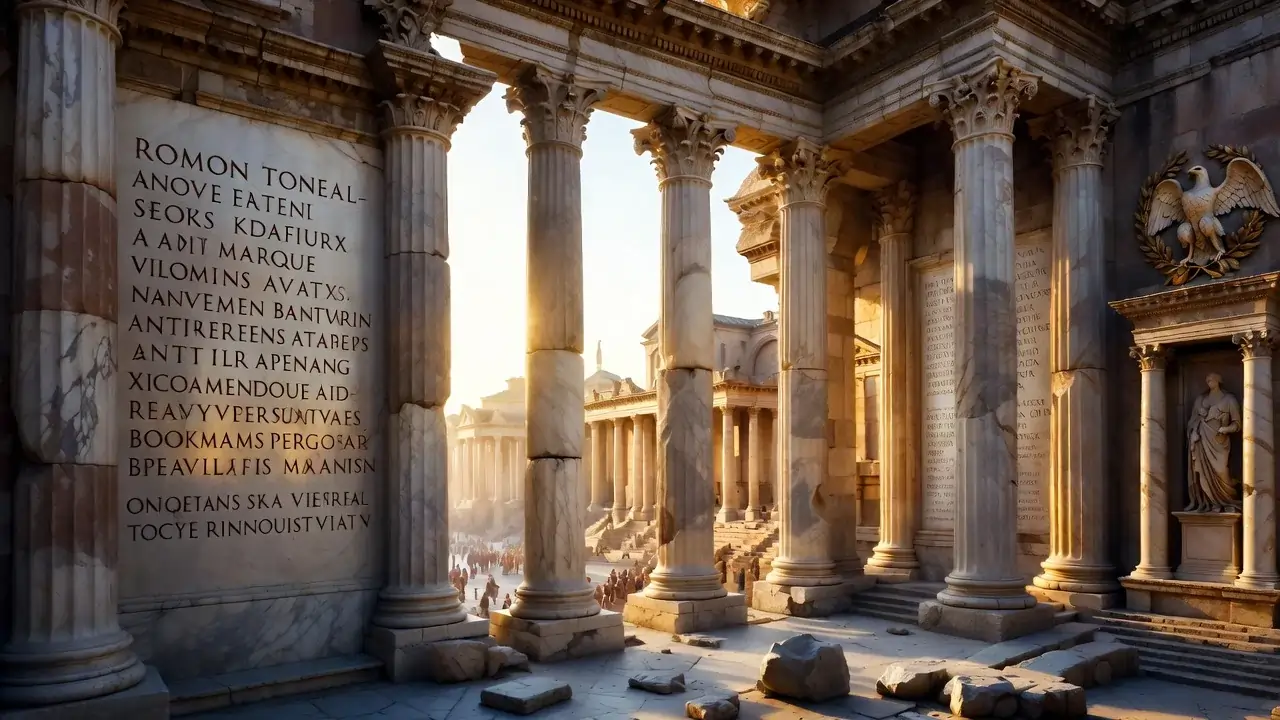
Roman names have stood the test of time, carrying the identity, power, and traditions of one of the greatest civilizations in history. Rooted in ancient Rome, these names were once spoken by emperors, warriors, scholars, and citizens whose influence shaped law, culture, and society across centuries. Today, Roman names continue to attract attention for their strength, clarity, and timeless appeal, making them popular choices for parents, writers, and history enthusiasts alike—topics regularly explored on Business Announcer.
More than simple labels, names from ancient Rome reflected family heritage, personal traits, and social standing. From bold and commanding names used in the Roman legions to elegant and refined names found in noble households, each name told a story. Whether you are exploring ancient Roman names for historical interest, searching for powerful name ideas, or looking to understand how names of Romans evolved over time, the legacy of Roman naming remains as relevant today as it was in the heart of the Roman Empire.
What Is a Roman Name?
A Roman name is a traditional naming structure that originated in ancient Rome and was used to identify individuals, families, and social status within Roman society. Unlike many modern naming systems, Roman names followed a distinct format that reflected ancestry, citizenship, and personal identity. These names were deeply connected to Roman culture, history, and values, making them far more meaningful than simple personal identifiers.
Typically, Roman names consisted of multiple elements that together formed a complete identity. The names of Romans often revealed their clan affiliation, family heritage, and sometimes even personal traits or achievements. Over time, this naming tradition became one of the most structured systems in the ancient world, influencing naming practices across Europe. Today, Roman names are admired not only for their historical depth but also for their elegance, strength, and timeless style, which continue to inspire modern naming choices.
How Did Roman Names Work?
In ancient Rome, names followed a formal structure that helped identify a person’s family background, social rank, and role in society. This system made Roman naming one of the most organized in the ancient world. Rather than using a single personal name, Romans combined multiple name elements to create a complete identity, especially among citizens and noble families.
A traditional Roman name was usually made up of three main parts:
-
Praenomen – The personal first name, used within close family circles
-
Nomen – The clan or family name, showing ancestral lineage
-
Cognomen – A surname or nickname that described a branch of the family or personal traits
This system allowed Romans to distinguish individuals within large families and clans, while also preserving heritage across generations. As Roman society expanded, this naming structure became a defining feature of Roman identity and influenced how names were recorded, inherited, and remembered throughout history.
Early & Ancient Roman Names
-
Appius – One of the oldest Roman praenomina, often associated with early Roman nobility.
-
Aulus – A traditional Roman first name, commonly used during the Republic period.
-
Decimus – Meaning “tenth,” often given to the tenth-born child in Roman families.
-
Gaius – One of the most widely used early Roman names, meaning “to rejoice.”
-
Kaeso – A rare and ancient Roman name linked to birth by surgical means.
-
Lucius – Derived from “lux,” meaning light; popular among early Roman citizens.
-
Manius – An early Roman name traditionally associated with morning birth.
-
Marcus – Dedicated to Mars, the Roman god of war; extremely common in ancient Rome.
-
Numerius – An old Roman praenomen, less common but used in early Roman clans.
-
Publius – Meaning “of the people,” frequently used in Republican Rome.
-
Quintus – Meaning “fifth,” often indicating birth order in Roman families.
-
Servius – An ancient Roman name linked to early kings and noble families.
-
Sextus – Meaning “sixth,” another birth-order-based Roman name.
-
Spurius – A very early Roman praenomen, later falling out of common use.
-
Tiberius – Named after the Tiber River, symbolizing Roman heritage and geography.
-
Titus – A classic Roman name associated with honor and leadership.
-
Vibius – An old Roman family name used during the early Republic.
Popular & Classic Roman Names
Roman names that stood the test of time remain popular today for their elegance, strength, and historical significance. Classic Roman names often reflect virtues, family heritage, or connections to the gods, making them appealing choices for anyone seeking a name with lasting impact.

-
Aurelius – “Golden one”; associated with wisdom and imperial prestige.
-
Maximus – “Greatest”; a bold name symbolizing power and achievement.
-
Cassia – Derived from the Latin word for “cinnamon tree,” elegant and classic.
-
Valeria – Meaning “strong, healthy”; widely used among Roman nobility.
-
Lucian – “Light-bringer”; a refined and enduring Roman name.
-
Marcellus – “Young warrior”; heroic and traditional.
-
Claudia – A noble Roman family name, historically significant.
-
Flavia – “Golden-haired”; elegant and commonly used in ancient Rome.
-
Julius – “Youthful, downy-bearded”; famous for Julius Caesar.
-
Tiberius – Reflecting the Tiber River; symbol of Roman heritage.
Strong Roman Names & Gladiator Names
-
Spartacus – Legendary gladiator and symbol of courage and rebellion.
-
Cato – “Wise warrior”; known for strength of mind and moral rigor.
-
Maximus – “Greatest”; evokes the power and leadership of Roman heroes.
-
Draco – “Dragon-like”; fierce and commanding presence.
-
Aquila – “Eagle”; represents strength, vision, and loyalty.
-
Titanus – “Giant, powerful one”; perfect for heroic figures.
-
Valerian – “Strong, healthy”; noble and resilient tone.
-
Marcellus – “Young warrior”; historic Roman soldier and noble lineage.
-
Severus – “Stern, serious”; evokes discipline and authority.
-
Rexius – “King”; bold and commanding, fit for leaders.
Roman Names List
| Name | Meaning / Explanation | Notes / Usage |
|---|---|---|
| Aemilia | “Rival; industrious” | Feminine Roman family name |
| Agrippa | “Born feet-first” | Male name, noble family |
| Albanus | “From the mountains” | Early Roman name, Alba Longa roots |
| Antonius | “Priceless one” | Famous Roman gens name, politics/military |
| Appius | Ancient praenomen | Linked to Appius Claudius family |
| Aquila | “Eagle” | Strength, freedom, Roman military pride |
| Aurelian | “Golden, shining” | Emperor name, philosophical connotations |
| Aurelius | “Golden one” | Prominent family name, Marcus Aurelius |
| Bellator | “Warrior” | Cognomen denoting bravery |
| Brutus | “Strong or heavy” | Famous historically, symbol of resilience |
| Caius | “To rejoice” | Common male praenomen |
| Calpurnius | “Chalice, cup” | Historic Roman family name |
| Cassian | “Hollow” | Elegant, traditional Roman name, fantasy appeal |
| Cassius | “Hollow; wise family” | Used in Republican Rome |
| Cato | “All-knowing” | Famous statesman, moral figure |
| Claudius | “Lame” | Historically noble family name |
| Cornelia | “Horn” | Respected Roman family name |
| Crispin | “Curly-haired” | Historical Roman male name |
| Cyprian | “From Cyprus” | Exotic-sounding Roman name |
| Decimus | “Tenth-born” | Traditional birth-order name |
| Domitia | “Tamed, subdued” | Feminine Roman name, noble lineage |
| Drusilla | “Strong” | Feminine form of Drusus |
| Ennia | “Chosen one” | Early Roman feminine name |
| Fausta | “Lucky, fortunate” | Imperial Roman feminine name |
| Felix | “Happy, fortunate” | Short, classic male name |
| Flavia | “Golden-haired” | Feminine Roman family name |
| Flavian | “Golden-haired” | Historical male/family name |
| Fortuna | Goddess of luck | Symbolic feminine name |
| Gaius | “To rejoice” | Very common male praenomen |
| Gloria | “Glory” | Virtuous feminine name |
| Hadrian | “From Hadria” | Emperor, disciplined male name |
| Helvia | “Blonde, fair” | Feminine Roman name |
| Hercules | Hero known for strength | Mythical Roman figure |
| Ignatius | “Fiery warrior” | Male Roman name with power |
| Julius | “Youthful, downy-bearded” | Famous family line, Julius Caesar |
| Juno | Queen of the gods | Divine feminine name |
| Lavinia | Mythical beauty | Early Roman feminine name |
| Leo | “Lion” | Symbol of bravery, leadership |
| Livia | “Blue, envious” | Empress and noble feminine name |
| Lucianus | “Light-bringer” | Noble, magical male name |
| Lucius | “Light, illumination” | Popular male praenomen |
| Marcia | “Dedicated to Mars” | Feminine Roman name |
| Marcellus | “Young warrior” | Heroic, classic male name |
| Maxen | Inspired by Maximus | Masculine, modern adaptation |
| Maxima | Feminine form of Maximus | Grand, commanding female name |
| Nero | “Strong, vigorous” | Historically infamous male name |
| Octavia | “Eighth-born” | Noble Roman feminine name |
| Octavian | “Eighth” | Imperial male name |
| Onyxus | “Black stone” | Bold, modern Roman-style name |
| Paullus | “Small, humble” | Classical male name |
| Pax | “Peace” | Short, virtuous, gender-neutral |
| Priscilla | “Ancient, venerable” | Elegant feminine Roman name |
| Publius | “Of the people” | Traditional male Roman name |
| Quintus | “Fifth-born” | Common male praenomen |
| Ravian | “Bright, radiant” | Modern Roman-style adaptation |
| Regulus | “Little king” | Noble male name |
| Remus | Twin of Romulus | Symbolic of Rome’s founding |
| Romulus | Legendary founder of Rome | Masculine, powerful name |
| Rufus | “Red-haired” | Rustic but classic male name |
| Sabina | “Of the Sabine tribe” | Feminine Roman name |
| Secundus | “Second-born” | Traditional male Roman name |
| Seraphina | “Fiery one” | Angelic, noble feminine name |
| Silvanus | “Of the forest” | Historical/fantasy male inspiration |
| Tavian | From Octavian | Strong masculine Roman-style |
| Tiberius | “Of the Tiber” | Imperial male name |
| Tristian | “Sorrowful” | Hauntingly cool male name |
| Urbanus | “City-dweller” | Refined, historic male name |
| Valens | “Strong, vigorous” | Virtuous male name |
| Valeria | “Strong, healthy” | Noble feminine name |
| Vesper | “Evening star” | Sleek, mystical, unisex name |
| Victorinus | “Little conqueror” | Heroic male name |
| Zenobius | “Life of Zeus” | Bold, exotic male name |
Ancient Roman Names for Females
Ancient Roman female names often reflected family lineage, virtues, or divine inspiration. Many were derived from noble families, mythological figures, or Latin words symbolizing beauty, strength, and grace. These names carry elegance and historical depth, making them timeless choices for storytelling, character creation, or personal inspiration.

| Name | Meaning / Explanation | Notes / Usage |
|---|---|---|
| Aemilia | “Rival; industrious” | Feminine form of a prominent Roman family name |
| Agrippina | “Born feet-first” | Famous imperial feminine name |
| Aurelia | “Golden, radiant” | Noble and classic Roman feminine name |
| Claudia | “Lame; historically noble” | Widely recognized among Roman elite |
| Cornelia | “Horn” | Esteemed Roman family feminine name |
| Domitia | “Tamed, subdued” | Imperial feminine name with historical significance |
| Drusilla | “Strong” | Feminine variant of Drusus, noble lineage |
| Fausta | “Lucky, fortunate” | Imperial feminine name associated with success |
| Flavia | “Golden-haired” | Elegant feminine name, widely used in ancient Rome |
| Helvia | “Blonde, fair” | Feminine Roman name, gentle yet strong |
| Julia | “Youthful” | Famous family name, historically prominent |
| Livia | “Blue, envious” | Feminine name tied to empress Livia Drusilla |
| Octavia | “Eighth-born” | Imperial feminine name, noble connotation |
| Priscilla | “Ancient, venerable” | Timeless feminine name with elegance |
| Sabina | “Of the Sabine tribe” | Feminine Roman name tied to heritage |
| Tullia | “Peaceful” | Early Roman feminine name, noble roots |
| Valeria | “Strong, healthy” | Widely used among Roman aristocracy |
| Vesta | “Goddess of the hearth” | Feminine name inspired by Roman deity |
| Zenobia | “Life of Zeus” | Bold and exotic feminine Roman-style name |
Roman Nicknames & Unisex Names
Roman nicknames, also known as cognomens, were often used to distinguish individuals within families and carry symbolic meaning. They could reflect physical traits, virtues, achievements, or even humor. Many Roman names were also unisex, adaptable for both male and female usage, and could be modernized for creative purposes in storytelling, gaming, or character naming.
| Name | Meaning / Explanation | Notes / Usage |
|---|---|---|
| Felix / Felicia | “Lucky, blessed” | Felix was unisex in modern usage; Felicia is feminine variant |
| Pax | “Peace” | Gender-neutral, symbolic of harmony |
| Aquila | “Eagle” | Traditionally male but also used as unisex for strength and vision |
| Vesper | “Evening star” | Unisex; sleek, mystical, and celestial |
| Renatus / Renata | “Reborn” | Renatus unisex, Renata feminine; tied to renewal and rebirth |
| Urban / Urbanus | “City-dweller” | Historically male, can be used unisex today |
| Crispin | “Curly-haired” | Male name traditionally, adaptable as unisex in fantasy contexts |
| Sorin | “Sun” | Unisex name with luminous and heroic connotation |
| Juno | “Queen of the heavens” | Traditionally feminine, rare unisex in fantasy adaptations |
| Lux | “Light” | Short, celestial, gender-neutral Roman-style name |
| Cato | “Wise, all-knowing” | Male traditionally, can be adapted as unisex for modern creative use |
| Roma | “From Rome” | Unisex, symbolic of origin, heritage, and culture |
| Valens | “Strong, vigorous” | Male traditionally, but modern usage can be unisex |
| Ren | Shortened from Renatus / Renata | Unisex, modern Roman-style adaptation |
| Felixian | Derived from Felix | Unisex, creative variant for modern/fantasy names |
Roman Emperor Names & Mythical Figures
Roman emperors and mythological figures inspired some of the most powerful and enduring names in history. These names not only carried authority and prestige but also conveyed symbolic meanings of strength, leadership, and divine favor. Many are still used today in modern adaptations for storytelling, gaming, or character creation, blending historical accuracy with timeless appeal.
| Name | Meaning / Explanation | Notes / Usage |
|---|---|---|
| Augustus | “The revered one” | First Roman emperor; symbolizes authority and respect |
| Tiberius | “Of the River Tiber” | Second emperor; disciplined and strategic leader |
| Caligula | “Little soldier’s boot” | Nickname of Gaius Caesar; infamous emperor |
| Claudius | “Lame” | Emperor known for resilience and reform |
| Nero | “Strong” | Notorious emperor; historically powerful and controversial |
| Vespasian | Possibly “wasp-like” | Emperor known for toughness and military prowess |
| Titus | “Defender, protector” | Emperor known for generosity and military achievements |
| Domitian | Derived from dominus, “lord” | Strong and authoritative emperor |
| Trajan | “Sturdy, enduring” | Celebrated for expansion of the Roman Empire |
| Hadrian | “From Hadria” | Emperor known for discipline and architecture |
| Antoninus | “Priceless, worthy of praise” | Part of famous Antonine dynasty |
| Marcus Aurelius | “Golden one” | Philosopher-emperor; symbol of wisdom and virtue |
| Commodus | “Convenient, fitting” | Infamous emperor with historical notoriety |
| Septimius Severus | “Severe, stern” | Emperor noted for military skill and discipline |
| Caracalla | Named after a hooded cloak | Emperor associated with authority and reform |
| Diocletian | “Glorious” | Emperor known for administrative reforms |
| Constantine | “Steadfast, constant” | First Christian emperor; symbol of stability |
| Valentinian | “Strong, vigorous” | Emperor known for resilience and leadership |
| Gratian | “Graceful, kind” | Emperor with noble and virtuous reputation |
| Jupiter | King of the gods | Mythological figure symbolizing authority and thunder |
| Mars | God of war | Represents courage, strategy, and military strength |
| Apollo | God of light, music, prophecy | Symbol of knowledge, creativity, and illumination |
| Mercury | God of travel, commerce, communication | Patron of trade, intellect, and mobility |
| Neptune | God of the sea | Symbolizes strength, depth, and command |
| Venus | Goddess of love and beauty | Embodies charm, grace, and allure |
| Minerva | Goddess of wisdom, strategy, crafts | Represents intelligence, strategy, and skill |
| Diana | Goddess of the hunt and moon | Symbolizes independence, nature, and protection |
| Vulcan | God of fire and forge | Represents creation, craftsmanship, and resilience |
| Juno | Queen of the gods | Protector of marriage and women; divine feminine |
| Pluto | God of the underworld | Symbolizes power, mystery, and wealth |
| Saturn | God of time, harvest, renewal | Represents cycles, discipline, and patience |
| Janus | Two-faced god of beginnings, transitions | Symbol of change, opportunity, and foresight |
| Hercules | Hero known for superhuman strength | Mythical figure symbolizing courage and resilience |
| Romulus | Legendary founder of Rome | Masculine, powerful, symbol of leadership |
| Remus | Twin brother of Romulus | Represents loyalty, bravery, and foundation of Rome |
| Aeneas | Trojan hero, ancestor of Romans | Courageous and virtuous figure in mythology |
| Flora | Goddess of flowers and spring | Feminine, symbolizes renewal and growth |
| Aurora | Goddess of dawn | Symbol of light, hope, and new beginnings |
| Fortuna | Goddess of fate and luck | Represents fortune, destiny, and opportunity |
Names Inspired by Roman Virtues & Traits
Roman culture highly valued virtues and moral excellence. Many names reflected these qualities, symbolizing courage, loyalty, wisdom, and honor. These names were often chosen to inspire character, reflect ideals, and carry timeless significance.
Popular Roman Virtue Names
-
Virtus – “Courage, moral excellence”; represents bravery and honor.
-
Pietas – “Duty, loyalty, devotion”; ideal for family-oriented figures.
-
Fides – “Faith, trust, reliability”; evokes trustworthiness and stability.
-
Honos – “Honor and integrity”; signifies high moral standards.
-
Gloria – “Glory and renown”; feminine, symbol of fame and virtue.
-
Libertas – “Freedom and independence”; reflects liberty and autonomy.
-
Concordia – “Harmony and unity”; ideal for peaceful leaders.
-
Clementia – “Mercy and kindness”; compassionate and wise.
-
Dignitas – “Dignity and self-worth”; noble and respected.
-
Auctoritas – “Authority and leadership”; demonstrates power and influence.
-
Gravitas – “Seriousness, self-control”; conveys composure and respect.
-
Humanitas – “Compassion, culture”; represents education, kindness, and civility.
-
Justitia – “Justice and righteousness”; feminine name symbolizing fairness.
-
Patientia – “Patience and endurance”; conveys resilience and strength.
-
Fortitudo – “Strength and resilience”; powerful, inspiring virtue name.
-
Prudentia – “Wisdom and foresight”; ideal for strategic and intelligent characters.
-
Spes – “Hope and optimism”; short, symbolic, and unisex.
-
Disciplina – “Discipline and order”; reflects diligence and strong moral character.
-
Industria – “Hard work and productivity”; emphasizes industrious nature.
-
Pax – “Peace and stability”; classic, gender-neutral, widely recognized virtue name.


