-
 Friday, 24th April, 2026

 Friday, 24th April, 2026
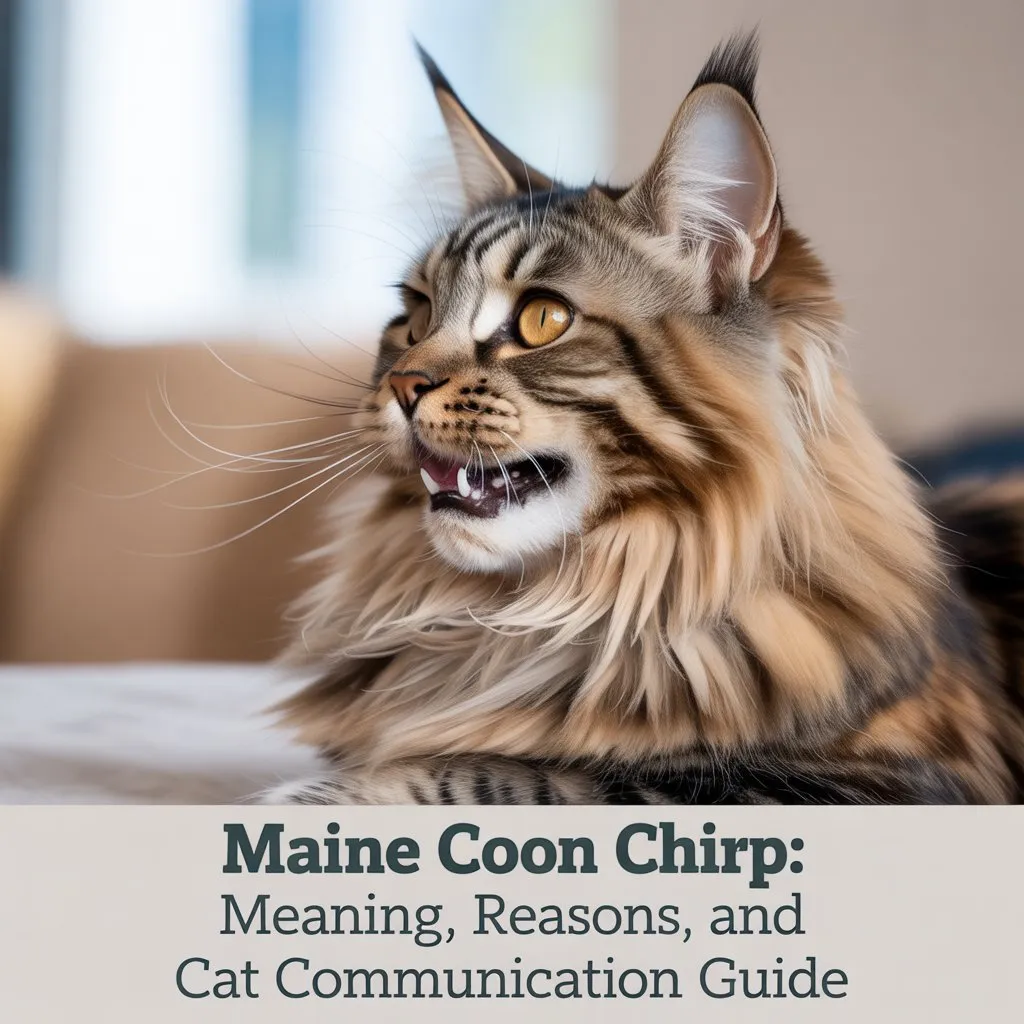
The maine coon chirp stands out as a fascinating aspect of feline behavior, particularly among these majestic cats known for their size and sociable nature. For business professionals in the pet sector, grasping the nuances of this vocalization can unlock valuable insights into consumer preferences and market demands. As Maine Coons continue to captivate cat lovers worldwide, their unique sounds offer a window into effective communication strategies that can enhance customer engagement and drive sales in breeding, veterinary, and retail operations.
Maine Coons have long been celebrated for their impressive stature and gentle demeanor, but it's their distinctive vocal repertoire that truly sets them apart in the eyes of pet enthusiasts. The maine coon chirp, a soft, bird-like sound emitted with a closed mouth, serves as a primary mode of expression, often signaling contentment or a desire for interaction. This vocal trait not only endears these cats to owners but also presents lucrative opportunities for businesses attuned to breed-specific trends. In recent years, the pet industry has witnessed a surge in demand for Maine Coons, with breeders reporting higher sales volumes due to their talkative personalities. Market data indicates that vocal breeds like these are increasingly sought after by millennial and Gen Z pet owners who prioritize companionship and emotional bonds.
For entrepreneurs, this means developing products such as interactive toys or educational apps that highlight maine coon cat noises, fostering deeper connections between pets and their human families. Moreover, veterinary practices can leverage knowledge of these sounds to improve diagnostic accuracy, as changes in vocal patterns might indicate health issues. As the global pet market expands, focusing on such unique attributes can differentiate your offerings, whether through specialized grooming services or content marketing that educates potential buyers on the joys of living with a vocal feline. By integrating insights into maine coon noises and their meanings, companies can craft compelling narratives that resonate with audiences, ultimately boosting loyalty and revenue in a competitive landscape. This approach not only meets consumer needs but also positions your brand as an authority in feline care, encouraging repeat business and positive word-of-mouth referrals.

At the heart of Maine Coon communication lies the maine coon chirp, a melodic utterance that conveys a range of emotions from joy to curiosity. Unlike the standard meow, this sound is more akin to a trill or chatter, often used by these cats to greet their owners or express excitement during playtime. For those in the pet business, understanding this vocalization can inform product development, such as designing feeders that respond to specific sounds or creating training programs that enhance human-cat interactions.
Industry experts note that Maine Coons are among the most maine coon vocal breeds, with their chirps serving as social cues that strengthen bonds. This knowledge is particularly useful for retailers stocking breed-specific merchandise, where highlighting these traits can attract discerning customers. As pet ownership evolves, incorporating education on maine coon chirp and trill into marketing materials can elevate your brand's expertise, drawing in clients who value informed choices.
Closely related to the maine coon chirp is the maine coon trill, a rolling, purr-like sound that typically indicates contentment or a warm welcome. Cats employ this when they're relaxed or seeking affection, making it a key indicator of well-being. In contrast, the maine coon chatter emerges during moments of intense focus, like when spotting birds through a window, mimicking predatory instincts with rapid teeth clacking.
For pet professionals, distinguishing these sounds aids in advising clients on environmental enrichments, such as window perches or puzzle toys that stimulate natural behaviors. This differentiation not only improves customer satisfaction but also opens avenues for specialized consultations, where vets or trainers can address vocal variations to prevent behavioral issues.
Delving deeper, the maine coon chirp arises from various triggers, including happiness, attention-seeking, and even mild frustration. These cats, with their wildcat ancestry, use chirps to mimic bird calls, a remnant of hunting prowess that captivates owners. Businesses in the pet space can capitalize on this by offering resources like webinars or guides that explain these motivations, helping clients interpret their cat's needs more accurately.
As awareness grows, incorporating maine coon noises into health monitoring apps becomes a smart innovation, allowing for proactive care that reduces vet visits. This focus on communication empowers owners, turning everyday interactions into meaningful experiences that reinforce the breed's popularity.
Key triggers for the maine coon chirp include playfulness and social bonding, where cats vocalize to engage with humans or other pets. Environmental factors, like new stimuli or routine changes, can also prompt these sounds, signaling adaptation needs. For industry players, recognizing these cues supports the creation of adaptive products, such as calming aids or interactive devices that respond to maine coon cat noises. This targeted approach not only enhances pet welfare but also drives consumer trust, as informed owners are more likely to invest in premium services.
Armed with an understanding of the maine coon chirp, pet industry leaders can refine their strategies to better serve a growing market. This vocalization, part of a broader spectrum of maine coon vocal behaviors, informs everything from breeding selections to retail displays. Startups might develop AI-driven tools that analyze maine coon noises for mood tracking, appealing to tech-savvy pet parents. Meanwhile, established companies can use this insight in corporate training, ensuring staff can educate customers effectively.
As trends shift toward personalized pet care, emphasizing these unique traits fosters innovation, from custom nutrition plans to behavioral workshops that highlight maine coon trill and maine coon chatter. Ultimately, this knowledge equips businesses to anticipate demands, creating ecosystems where cats and owners thrive together.

Socially, the maine coon chirp plays a pivotal role in interactions, from mother-kitten bonds to adult greetings. These sounds facilitate harmony in multi-cat households, reducing conflicts through clear signaling. For breeders and shelters, promoting cats with strong maine coon chirp and trill capabilities can expedite adoptions, as families seek engaging companions.
This emphasis on communication also benefits veterinary marketing, where clinics offer seminars on decoding maine coon cat noises to build community ties. In a broader sense, it underscores the breed's adaptability, making them ideal for diverse living situations and appealing to a wide customer base.
In owner-pet dynamics, the maine coon chirp strengthens emotional connections, acting as a bridge for mutual understanding. Owners who respond to these cues report higher satisfaction, leading to increased spending on related products. Businesses can tap into this by curating content that teaches recognition of maine coon noises, enhancing loyalty programs with educational perks. This relational focus not only boosts retention but also positions your enterprise as a go-to resource for enriching feline companionship.
Looking ahead, advancements in pet technology promise to deepen our grasp of the maine coon chirp, with emerging tools analyzing vocal patterns for health insights. This evolution opens doors for startups in wearable tech or sound-based diagnostics, aligning with the humanization of pets. As consumer interest in maine coon vocal traits rises, companies can pioneer content series or partnerships that explore maine coon chatter and maine coon trill, driving engagement. These trends signal a shift toward holistic care, where understanding communication becomes central to product innovation and market leadership.
For practical application, start by observing context when hearing a maine coon chirp—is it during mealtime or play? This helps tailor responses, like providing more stimulation to curb excessive maine coon noises. Pet pros can integrate these tips into client consultations, offering personalized advice that elevates service quality. By fostering this expertise, businesses not only solve immediate concerns but also cultivate long-term relationships built on trust and knowledge.
To differentiate, note that a maine coon chirp is brief and high-pitched, unlike the sustained maine coon trill for affection or the frustrated maine coon chatter. Training sessions can teach owners these distinctions, aiding in behavior management. This skill-building empowers clients, reducing returns and enhancing overall industry standards through informed pet ownership.
In summary, the maine coon chirp encapsulates the charm of this breed, offering endless possibilities for pet industry growth. By weaving in knowledge of maine coon cat noises and related sounds, professionals can create impactful strategies that resonate with modern consumers.
This sound often expresses happiness or a call for attention, helping cats communicate their mood effectively to owners in daily interactions.
The trill signals contentment and serves as a friendly greeting, strengthening bonds between the cat and its human companions during relaxed moments.
Chatter involves quick teeth movements mimicking hunting, typically triggered by prey sightings, unlike the softer chirp used for social purposes.
These include chirps for excitement, trills for affection, and chatters for focus, all aiding in expressing emotions and needs clearly.