-
 Friday, 24th April, 2026

 Friday, 24th April, 2026
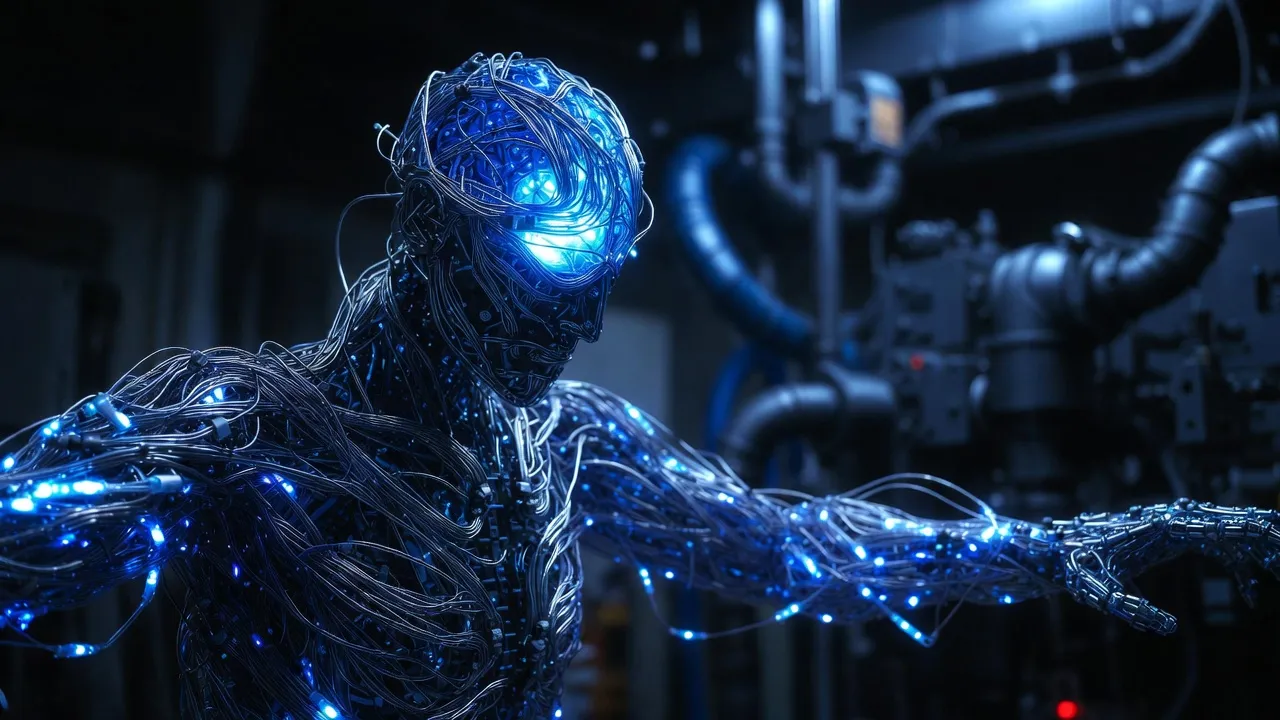
AI and creativity shape the future of art, music, and writing. Businesses see new chances in this shift. AI tools help create content faster. They open doors for market growth. Companies use AI to stay ahead. This article looks at how AI changes creative fields. It gives insights for business leaders.
AI and creativity work together in many ways. AI systems learn from data. They produce new ideas in art, music, and writing. This helps artists and writers. Businesses gain from faster production. Market reports show growth in AI for creative work. The global AI in the media market will reach $51 billion by 2030. This creates jobs and new products.
AI tools like generative models make images, songs, and text. They use algorithms to mimic human styles. This speeds up work for designers and musicians. Companies save time and money. Startups lead in this space. They offer tools for everyday users.
AI changes art creation. Tools generate images from text prompts. For example, DALL-E creates visuals based on words. Artists use it to explore ideas. In business, brands make custom designs. Coca-Cola used AI for campaigns with unique images. This boosts marketing efforts. Generative AI helps in digital art. It blends styles from old masters. One example is the "Portrait of Edmond de Bellamy." An AI made it from 15,000 portraits. It sold for $432,500 at auction. Businesses see value in AI art for ads and products.
AI assists in design tasks. It automates patterns for fabrics. Brands like H&M use it for clothing ideas. This cuts costs. Market analysis shows AI in art grows fast. It offers growth for creative firms.
|
AI Art Examples |
Description |
Business Impact |
|
DALL-E Images |
Text-to-image generation |
Faster ad creation |
|
Midjourney Art |
Style blending |
Custom branding |
|
Stable Diffusion |
Open-source tool |
Low-cost design |
For more on AI tools in design, check Business Announcer's latest updates.
AI transforms music production. It composes songs and melodies. Tools analyze existing tracks. They create new ones in various genres. AIVA makes classical music for films and ads. Businesses use it for custom soundtracks. Generative AI mixes styles. MuseNet combines classical with pop. It generates four-minute pieces with 10 instruments. Startups like Soundry AI offer text-to-sound for musicians. This helps in quick idea testing.
In business, AI music aids marketing. Companies create jingles fast. The market for AI-generated music will hit $16 billion by 2028. This opens trends for audio brands.
|
AI Music Tools |
Features |
Applications |
|
AIVA |
Composes symphonies |
Film scores |
|
Beatoven.ai |
Music for videos |
Podcast intros |
|
Boomy |
Song generation |
Social media content |
Subscribe to Business Announcer for music industry trends.
AI boosts writing efficiency. It generates text like stories and articles. GPT models create coherent content. Writers use it for drafts and ideas. Businesses produce reports faster. In creative writing, AI helps with plots. It suggests twists based on data. One example is AI-aided albums like Taryn Southern's "I AM AI." This blends human and machine input.
For business, AI automates content. It writes marketing copy. The generative AI market will reach $90 billion by 2028. This drives growth in publishing.
|
AI Writing Examples |
Use Cases |
Benefits |
|
GPT-3 Stories |
Narrative generation |
Idea sparking |
|
Jasper |
Ad copy |
Time savings |
|
HyperWrite |
Editing help |
Error reduction |
Read more corporate updates on Business Announcer.
The AI market in creative industries expands. It grew from $15 billion in 2023 to $23 billion in 2024. By 2028, it may hit $90 billion. North America leads with 42% share. Generative AI in creativity reaches $21 billion by 2032. Media and entertainment dominate. Businesses invest in tools for efficiency. Challenges include job shifts. AI may reduce roles in design by 21%. But it creates new opportunities in AI management.

Adobe integrates AI across apps. It adds models from Google and OpenAI. This helps in video and image editing. Adobe partners with Runway for AI video. OpenAI advances text models. They aid in writing and music ideas. Google develops Gemini for creative tasks. These updates boost business productivity. For expert commentary, visit Business Announcer.
Startups innovate in AI tools. Soundry AI makes music from text. Boomy generates songs for users. They focus on easy access. In art, startups like Kaiber create videos. Trends show growth in collaborative AI. Startups raise funds for new features. Businesses partner with startups. This speeds innovation. The U.S. AI market grows at 26% CAGR.
AI opens markets for businesses. Companies sell AI tools to creators. Training programs emerge for AI skills. The government supports this. The NSF funds AI research in creativity. In startups, AI aids funding pitches. It generates business plans. Creative firms expand globally with AI content. Risks include ethics. Businesses must ensure fair use. But opportunities outweigh challenges.

Human imagination adds emotion. AI lacks true feelings. But AI assists humans. It handles routine tasks. This frees time for original ideas. In art, humans refine AI outputs. In music, artists add personal touches. Balance is key for success.
AI and creativity refer to how machines help in making art, music, and writing.
AI generates images and designs from prompts, speeding up creation.
Tools like AIVA compose songs in different styles.
No, AI assists with drafts but humans add unique ideas.
It will reach $51 billion by 2030.
They can automate content and explore new markets.