-
 Saturday, 11th April, 2026

 Saturday, 11th April, 2026
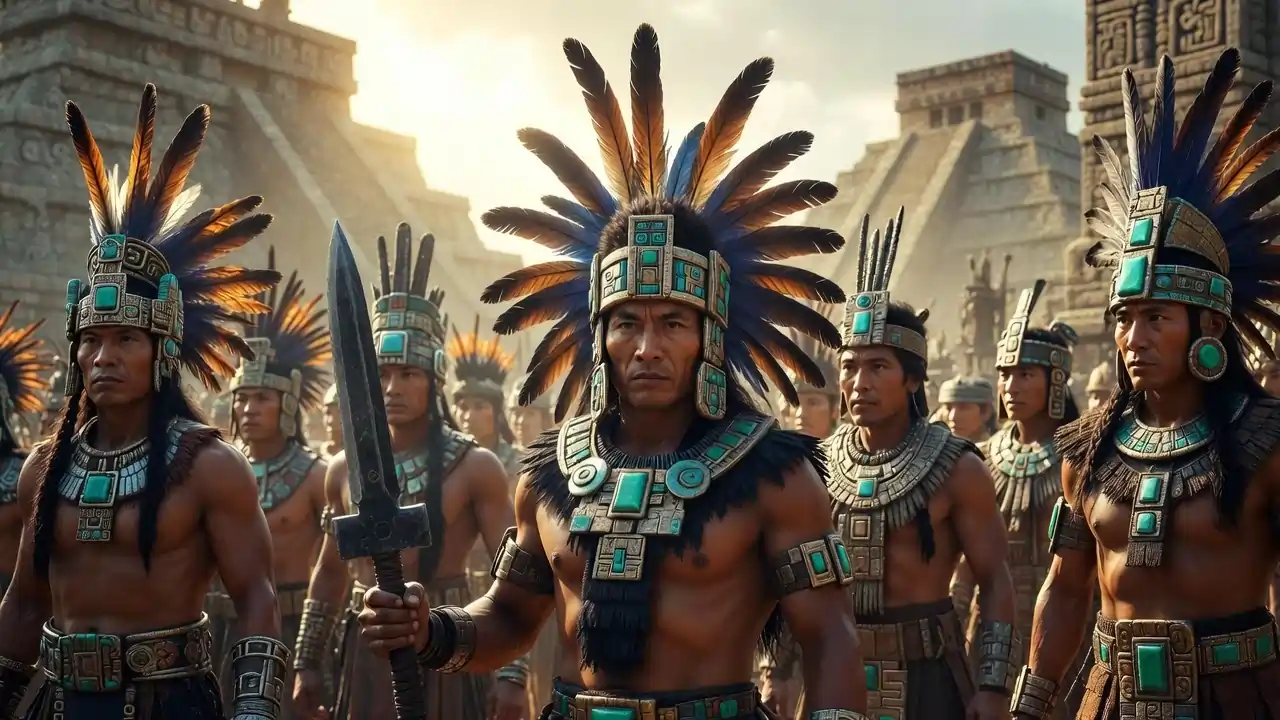
Aztec names carry a rich history, vibrant culture, and deep symbolism rooted in the ancient civilization of Mesoamerica, making them an essential part of our fantasy names and mythology hub for exploring powerful and meaningful naming traditions. Originating from the Nahuatl language, these names were never chosen randomly; each one reflected identity, destiny, and spiritual meaning. From warriors and gods to natural elements and virtues, Aztec names convey stories that have been passed down for centuries, maintaining a strong connection to heritage and tradition.
For parents seeking unique baby names, writers crafting compelling characters, or gamers looking for authentic fantasy personas, Aztec names offer a perfect blend of strength, elegance, and cultural depth. Whether it’s a name inspired by the sun, a warrior spirit, or a revered deity, every Aztec name embodies a legacy that resonates across generations.
Unlike ordinary names, Aztec names often combine sounds like “tl,” “x,” and “hua”, giving them a distinctive rhythm and memorability. These linguistic patterns reflect the Nahuatl phonetics and are integral to the culture’s storytelling and spiritual symbolism. Moreover, many names are associated with celestial elements, animals, or historical figures, linking the bearer to a larger narrative of bravery, wisdom, and cosmic significance.
In this guide, you’ll discover popular Aztec girl and boy names, warrior and deity names, clan and last names, and even modern adaptations and fantasy-inspired Aztec names. Each section provides meanings and context, helping you choose names that are not only beautiful but also historically and culturally authentic.
Aztec names are far more than labels—they are cultural symbols deeply rooted in history, spirituality, and identity. Every name carries layers of meaning, often reflecting a person’s destiny, virtues, or connection to the natural and divine world. This deep symbolism is also found in other ancient cultures, such as traditional medieval names and their meanings, where lineage, honor, and historical identity played a central role. In the Aztec civilization, names were carefully chosen to honor gods, celestial events, animals, and elements of nature, making them powerful markers of individuality and heritage.
One reason Aztec names stand out is their linguistic beauty. Derived from the Nahuatl language, these names often include complex sounds like “tl,” “x,” “hua,” and “coatl”, which give them a unique rhythm and musicality. This distinct phonetic structure not only differentiates them from common names but also embeds a sense of authentic Mesoamerican identity.
Another aspect of their uniqueness lies in meaningful storytelling. Many Aztec names are inspired by deities, celestial bodies, animals, or historical figures. For example, names associated with the sun, moon, or jaguar were often given to warriors or leaders, symbolizing strength, protection, and spiritual power. Similarly, girl names frequently reflected beauty, fertility, or divine grace, connecting the bearer to the cosmic and natural order.
Today, Aztec names are celebrated for their timeless elegance and versatility. They are used not only in modern Mexico but also globally, inspiring parents, writers, and creators seeking unique and meaningful names. By understanding the cultural and linguistic roots, you can choose an Aztec name that carries authentic history, symbolism, and a sense of identity.
Aztec names are not only meaningful but also distinctly memorable. Whether you are naming a child, a character, or seeking cultural inspiration, these names reflect heritage, nature, and strength. Below are some of the most popular Aztec names divided by gender.
Huitzilopochtli – “Hummingbird of the left”; god of war
Quetzalcoatl – “Feathered serpent”; god of wind and wisdom
Cuauhtémoc – “Descending eagle”; last Aztec emperor
Xipil – “Noble one; fire prince”
Tenoch – “Fruit of the prickly pear cactus”
Tochtli – “Rabbit”
Tlacaelel – “Man of great spirit/heart”
Itztli – “Obsidian blade”
Yaotl – “Warrior; enemy”
Necalli – “Battle; fierce fighter”
Xóchitl – “Flower”
Citlali – “Star”
Ayauhtli – “Mist; smoke”
Atlacoya – “Goddess of drought”
Itzpalin – “Obsidian; sharp beauty”
Chalchiuhtlicue – “She of the jade skirt”; goddess of lakes and rivers
Yolotli – “Heart; spirit”
Mixcóatl – “Cloud serpent”
Itzel – “Rainbow lady; unique beauty”
Anaca – “Water reed”
These names highlight the connection to nature, deities, and spiritual meaning that make Aztec names so compelling. Many of them are still in use today, keeping the rich Nahuatl heritage alive.
Aztec warrior names were symbols of strength, bravery, and honor. They were often given to those destined to fight or achieve greatness, reflecting nature, animals, or divine powers. These names are perfect for modern parents, writers, or gamers seeking bold and meaningful Aztec-inspired names.
Cuāuhtli – “Eagle”; elite warrior rank
Ocēlōtl – “Jaguar”; fierce warrior
Yaotl – “Warrior; enemy”
Cuāuhtemoc – “Descending eagle”; last Aztec emperor
Tlacochcalcatl – “Chief of the Armoury”; high general
Tepoztli – “Metal; weapon”; symbolic of strength
Chimalli – “Shield”; defender in battle
Tletl – “Fire”; fiery spirit warrior
Atlaua – “Water archer”; warrior deity
Acolmiztli – “Strong puma”; powerful combatant
Yaocihuatl – “War woman”
Itzel – “Rainbow lady; resilient and strong”
Chicahua – “Strong, powerful”
Xiloxoch – “Corn-flower maiden”; symbolizes agility and grace
Nahuani – “One who consoles”; wise and courageous
These names reflect the courage, skill, and spiritual essence valued by Aztec warriors. Many of them combine animal strength with celestial or natural elements, creating names that feel timeless and heroic.
Aztec names are deeply connected to deities, nature, and cosmic forces. Naming after gods and goddesses was a way to honor divine power, seek protection, or inspire virtue. Here’s a selection of notable Aztec deity-inspired names:
| Name | Meaning / Role | Notes |
|---|---|---|
| Huitzilopochtli | “Hummingbird of the South”; god of war and the sun | Chief deity of the Mexica people |
| Quetzalcoatl | “Feathered Serpent”; god of wind, wisdom, and learning | Symbol of knowledge and culture |
| Tezcatlipoca | “Smoking Mirror”; god of night, destiny, and change | Represents power and mystery |
| Tlaloc | “Rain God”; god of fertility and storms | Essential for agriculture and life |
| Chalchiuhtlicue | “She of the Jade Skirt”; goddess of lakes and rivers | Associated with water and purity |
| Xochipilli | “Flower Prince”; god of art, beauty, and joy | Patron of creativity and pleasure |
| Mictlantecuhtli | “Lord of the Underworld”; god of death | Guardian of Mictlan, the underworld |
| Centeōtl | “Maize Lord”; god of corn and harvest | Vital for sustenance and prosperity |
| Xochiquetzal | “Precious Flower”: goddess of love, beauty, and fertility | Patron of artisans and lovers |
| Ehecatl | “Wind”; aspect of Quetzalcoatl | God of movement and life’s breath |
These names are ideal for parents, storytellers, or gamers seeking Aztec-inspired names with spiritual depth and historical authenticity.
Aztec boy names are often bold, meaningful, and connected to warriors, gods, or nature. These names carry strength and cultural significance:
Huitzilopochtli – “Hummingbird of the South”; god of war and the sun
Quetzalcoatl – “Feathered Serpent”; god of wind and wisdom
Cuauhtémoc – “Descending Eagle”; last emperor of the Aztecs
Xipil – “Noble One; fire prince”
Tenoch – “Fruit of the prickly pear cactus”
Amoxtli – “Book; one who knows stories”
Tochtli – “Rabbit”
Teomitl – “Arrow of the gods”
Tlacaelel – “Man of great spirit/heart”
Xocoyotzin – “The youngest honored one”
Ehecatl – “Wind; god of breeze”
Itztli – “Obsidian blade”
Tlaloc – “Rain god”
Xolotl – “God of lightning and death”
Yaotzin – “Little warrior”
Necalli – “Battle; fierce fighter”
Citlaltonac – “Star that glows”
Moctezuma – “He who frowns like a lord”
Ixtli – “Face; identity”
These names are perfect for parents, writers, or gamers seeking strong and authentic Aztec boy names with deep historical roots.

| Name | Meaning |
|---|---|
| Xochitl | Flower |
| Citlali | Star |
| Ayauhtli | Mist, smoke |
| Atlacoya | Goddess of drought |
| Itzpalin | Obsidian; sharp beauty |
| Malinalxochitl | Grass flower |
| Atlatonin | Mother goddess of water |
| Chalchiuhtlicue | She of the jade skirt; goddess of lakes & rivers |
| Yolotli | Heart, spirit |
| Mixcóatl | Cloud serpent |
| Ahuic | Goddess of running water |
| Itzel | Rainbow lady; unique beauty |
| Cihuatl | Woman |
| Zyanya | Always, forever |
| Metztli | Moon goddess |
| Teyacapan | First-born daughter |
| Izel | Unique, rare one |
| Nochtli | Prickly pear cactus fruit |
| Xilonen | Goddess of young maize |
| Anaca | Water reed |
These Aztec girl names are rich in cultural heritage, often linked to goddesses, nature, and symbolic virtues, making them perfect for babies, characters, or fantasy storytelling.
| Name | Meaning / Role |
|---|---|
| Cuāuhtli | Eagle: elite warrior rank |
| Ocēlōtl | Jaguar; elite jaguar knight |
| Yaotl | Warrior, enemy |
| Cuāuhtemoc | Descending Eagle; last Aztec emperor |
| Tlacochcalcatl | Chief of the Armoury; high general |
| Tepoztli | Metal/Weapon; symbol of strength |
| Icnoyotl | Friendship warrior; loyal fighter |
| Chimalli | Shield; defender |
| Tletl | Fire; fiery spirit warrior |
| Atlaua | Water archer; warrior deity |
| Matlal | Blue/green warrior |
| Teyacapan | The first leading; vanguard warrior |
| Cuetlachtli | Wolf; fierce warrior imagery |
| Tochtli | Rabbit; often agile or swift warrior |
| Itztli | Obsidian blade; symbol of sacrifice & strength |
| Tlamacazqui | Bearer of offerings; priest-warrior |
| Temilotzin | Pillar; known historical Aztec warrior |
| Acolmiztli | Strong puma |
| Teomitl | Divine arrow |
| Yohualli | Night; stealthy warrior |
These names reflect the valor, skill, and spiritual power of Aztec warriors, perfect for historical, fantasy, or character naming purposes.
In Aztec society, clans, or calpulli, were the backbone of community organization, often linked to professions, ancestry, or sacred symbols. Each clan had its own identity, responsibilities, and traditions. Many of these clan names have endured through history and can inspire unique character names, family names, or fantasy creations today.
Cuāuhcalpulli – “Eagle Clan”
Ocēlōcalpulli – “Jaguar Clan”
Chicomecalpulli – “Seven House Clan”
Tepēcalpulli – “Mountain Clan”
Atlacalpulli – “Water Clan”
Calli-Tecpatl Clan – “House of the Flint”
Xochicalpulli – “Flower Clan”
Tlāloccalpulli – “Rain Clan”
Metzcalli Clan – “Maguey Clan”
Mazātl-Calpulli – “Deer Clan”
Coatlcalpulli – “Serpent Clan”
Itzcuintli Clan – “Dog Clan”
Tecolotl Clan – “Owl Clan”
Chapolincalli – “Grasshopper Clan”
Tochtli Clan – “Rabbit Clan”
Acolhua Clan – “People of the Acolhua”
Mexica-Tenochca Clan – “People of Tenochca”
Tlatelolca Clan – “People of Tlatelolco”
Matlalcalpulli – “Green/Blue Clan”
Yohualli Clan – “Night Clan”
These clan names can also serve as inspiration for Aztec-themed storytelling, gaming characters, or historical references, giving depth to your creations.
Aztec warriors were highly respected in their society, often holding elite positions such as jaguar or eagle knights. Their names reflected courage, strength, and connection to nature or the gods. These names are perfect for historical references, fantasy characters, or baby name inspiration.
| Name | Meaning / Role |
|---|---|
| Cuāuhtli | “Eagle”; elite warrior rank |
| Ocēlōtl | “Jaguar”; elite jaguar knight |
| Yaotl | “Warrior / Enemy” |
| Cuāuhtemoc | “Descending Eagle”; last Aztec emperor |
| Tlacochcalcatl | “Chief of the Armoury”; high general |
| Tepoztli | “Metal/Weapon”; symbolic of strength |
| Icnoyotl | “Friendship Warrior”; loyal fighter |
| Chimalli | “Shield”; defender |
| Tletl | “Fire”; fiery spirit warrior |
| Atlaua | “Water Archer”; warrior deity |
| Matlal | “Blue/Green Warrior” |
| Teyacapan | “The First Leading”; vanguard warrior |
| Cuetlachtli | “Wolf”; fierce warrior imagery |
| Tochtli | “Rabbit”: agile or swift warrior |
| Itztli | “Obsidian Blade”; symbol of sacrifice & strength |
| Tlamacazqui | “Bearer of Offerings”; priest-warrior |
| Temilotzin | “Pillar”; known historical Aztec warrior |
| Acolmiztli | “Strong Puma” |
| Teomitl | “Divine Arrow” |
| Yohualli | “Night”; stealthy warrior |
These warrior names convey power and honor, and are ideal for gaming, storytelling, or cultural name exploration.
Aztec mythology is rich with gods, goddesses, and legendary figures whose names carry deep cultural and spiritual meanings. These names are perfect for fantasy writing, historical storytelling, or choosing a meaningful baby name.

Huitzilopochtli – “Hummingbird of the South”; god of sun & war
Quetzalcóatl – “Feathered Serpent”; god of wisdom & wind
Tezcatlipoca – “Smoking Mirror”; god of night & destiny
Xipe Tótec – “Our Flayed Lord”; god of renewal
Tlaloc – “He Who Makes Things Sprout”; god of rain
Chalchiuhtlicue – “She of the Jade Skirt”; goddess of water
Centeōtl – “Maize Lord”; god of corn
Xochipilli – “Flower Prince”; god of art and beauty
Mictlantecuhtli – “Lord of the Underworld”
Mictēcacihuātl – “Lady of the Dead”
Tonatiuh – “The Sun”; sun god
Coyolxauhqui – “Golden Bells”; goddess of the moon
Ehecatl – “Wind”; wind aspect of Quetzalcóatl
Tlazolteotl – “Goddess of Purity & Cleansing”
Huehuecoyotl – “Old Coyote”; trickster deity
Itzpapalotl – “Obsidian Butterfly”; warrior goddess
Xiuhtecuhtli – “Turquoise Lord”; god of fire
Tlaltecuhtli – “Earth Lord/Goddess”; primordial earth deity
Xochiquetzal – “Precious Flower”; goddess of love & beauty
Mixcoatl – “Cloud Serpent”; god of hunting
These names offer a blend of spirituality, power, and beauty, making them ideal for creative projects or meaningful personal naming.
Aztec society was organized into clans, known as calpulli, each with its own identity, territory, and responsibilities. Clan names are perfect for fantasy storytelling, historical roleplay, or cultural exploration, as they carry meanings tied to animals, nature, and social structure.
| Names | Meaning / Description |
|---|---|
| Cuāuhcalpulli | “Eagle Clan” – symbolizing strength and vision |
| Ocēlōcalpulli | “Jaguar Clan” – representing courage and ferocity |
| Chicomecalpulli | “Seven House Clan” – sacred number in Aztec culture |
| Tepēcalpulli | “Mountain Clan” – connected to the highlands and protection |
| Atlacalpulli | “Water Clan” – associated with rivers and fertility |
| Calli-Tecpatl Clan | “House of the Flint” – warriors and craftsmen |
| Xochicalpulli | “Flower Clan” – beauty, growth, and nature |
| Tlāloccalpulli | “Rain Clan” – devoted to the rain god Tlaloc |
| Metzcalli Clan | “Maguey Clan” – symbolic of sustenance and craftsmanship |
| Mazātl-Calpulli | “Deer Clan” – agility, speed, and harmony with nature |
| Coatlcalpulli | “Serpent Clan” – wisdom and transformation |
| Itzcuintli Clan | “Dog Clan” – loyalty and guardianship |
| Tecolotl Clan | “Owl Clan” – wisdom and nighttime vigilance |
| Chapolincalli | “Grasshopper Clan” – nimbleness and adaptability |
| Tochtli Clan | “Rabbit Clan” – fertility and resourcefulness |
| Acolhua Clan | “People of the Acolhua” – historical and territorial identity |
| Mexica-Tenochca Clan | “People of Tenochca” – central to the Mexica empire |
| Tlatelolca Clan | “People of Tlatelolco” – famous marketplace and cultural hub |
| Matlalcalpulli | “Green/Blue Clan” – connected to nature and vitality |
| Yohualli Clan | “Night Clan” – guardianship and spiritual mystery |
These clan names offer a blend of history, culture, and symbolism, perfect for adding depth and authenticity to stories or naming conventions.
Aztec names were never random; each name carried deep meaning, often reflecting nature, virtues, celestial bodies, or roles in society. Choosing one of these names for a baby, character, or game persona allows you to connect with rich Aztec culture while embracing poetic and symbolic significance.
Citlalli – “Star”
Xóchitl – “Flower”
Itzel – “Rainbow / Unique Light”
Tenoch – “Stone Fruit”; name of a famous Mexica leader
Nezahualcóyotl – “Fasting Coyote”; philosopher king and poet
Yaotzin – “Little Warrior”
Ximena / Ximeni – “Heard” (modern use based on Nahuatl roots)
Izel – “Only One / Unique”
Acatl – “Reed”; often linked to birth signs
Malinalli – “Grass”; also famous as Malintzin
Ayauh – “Mist”
Coatl – “Serpent”
Tecuani – “Beast / Fierce One”
Tzintli – “Sacred / Small but revered”
Yaretzi – “You Will Be Loved”
Nahuatl – “Clear Sound / Speaker”
Atl – “Water”
Xiuhpilli – “Turquoise Prince”
Matlalihuitl – “Blue/Green Feather”
Tonalli – “Spirit / Daylight”
These names highlight the cultural, spiritual, and natural connections within Aztec society, making them ideal for anyone looking to preserve authenticity in naming.
In Aztec culture, nicknames were often affectionate, symbolic, or descriptive, used for children, warriors, or close family members. These short names capture essence, personality, or physical traits, making them perfect for everyday use or as unique gamer or character names.
Chicoatl – “Little Serpent”
Citzy – Short for Citlalli; “Star”
Xochi – Short for Xóchitl; “Flower”
Aco – From Acatl; “Reed”
Nalli – Short for Tonalli; “Little Light”
Miztli – “Little Puma”
Tezi – Short for Tezcatl; “Mirror”
Yoyo – From Yohualli; “Night”
Teco – From Tecolotl; “Owl”
Ato – Short for Atl; “Water”
Coco – From Coatl; “Serpent”
Xiu – “Turquoise”
Toto – “Bird”
Pilli – “Child / Noble Child”
Chalo – From Chalchiuhtli; “Jade”
Lali – From Citlalli; “Star”
Malli – “Captive”; warrior nickname
Tona – Short for Tonatiuh; “Sun”
Itzi – “Obsidian / Ice”
Nena – “Little Girl”; affectionate
These nicknames demonstrate the playful, descriptive, and symbolic naming traditions of the Aztecs, adding charm and cultural depth to personal or fictional names.
For modern users, gamers, or writers, Aztec-inspired usernames combine cultural elements, powerful symbols, and creative flair. These usernames often take inspiration from nature, gods, warriors, and mystical concepts to craft unique, memorable handles.
| Username | Meaning / Inspiration |
|---|---|
| ShadowCoatl | “Shadow Serpent” |
| NightJaguar | “Jaguar of the Night” |
| StarCitlali | “Star Light” |
| ObsidianBlade | From Itztli: “Obsidian” |
| EagleSun | From Cuāuhtli; “Eagle” |
| MistWalker | From Ayauh; “Mist” |
| FirePilli | “Fire Child” |
| MoonMeztli | “Moon Spirit” |
| AquaAtl | “Water Power” |
| SerpentStrike | “Coiled Serpent Force” |
| JadeSkirt | Inspired by Chalchiuhtlicue, “Jade Waters” |
| StormTlaloc | “Rain God Storm” |
| NightWindEhecatl | “Wind of Darkness” |
| BlueFeather | From Matlalihuitl: “Blue/Green Feather” |
| LoneCoyote | Inspired by Huehuecoyotl, “Trickster Spirit” |
| SacredReed | From Acatl: “Reed Spirit” |
| SolarTonatiuh | “Sun Warrior” |
| CloudSerpent | From Mixcoatl; “Cloud Serpent” |
| FlowerPrince | From Xochipilli, “Flower Prince” |
| QuillJaguar | “Feathered Jaguar” |
These usernames reflect the mystical, heroic, and symbolic nature of Aztec culture while remaining modern and applicable for online identities.
In Aztec culture, names were not only symbolic but could also convey powerful, fearsome traits. These one-word names are ideal for fictional characters, games, or creative writing, reflecting darkness, mystery, and strength.

Mictlan – “Land of the Dead”
Tzitzimitl – “Star Demon”
Itzpapalotl – “Obsidian Butterfly”; fearsome skeletal goddess
Ahuitzotl – “Spiny Water Beast”
Tlatecatl – “Executioner”
Tepeyollotl – “Heart of the Mountain”; shadow jaguar deity
Yaotl – “Enemy / Warrior”
Tzompan – “Skull Rack”
Chicahua – “Strength / Hard” (used in fierce contexts)
Tlatec – “Destroyer”
Ixquimilli – “Blindfold / Darkness”
Cipactli – “Primordial Crocodile Monster”
Itztli – “Obsidian Blade”
Nexte – “Ashes”
Tlazolli – “Filth / Disorder”
Yohualli – “Night / Darkness” (dark version)
Acolnahuacatl – “One From the Dark Waters”
Tlecotl – “Fire Spirit” (furious spirit)
Ichtaca – “Secret / Hidden One”
Zolin – “Quail” (in omens, symbol of death or blood sacrifice)
These names emphasize the intense, mystical, and sometimes fearsome side of Aztec heritage, making them perfect for storytelling and character design.
Modern Aztec-style names blend traditional Nahuatl roots with contemporary appeal. These names are popular for babies, fictional characters, or online usernames, keeping the Aztec cultural essence alive while giving them a fresh, creative twist.
| Name | Meaning / Description |
|---|---|
| Zayali | “Shadow Flower” |
| Amelotzli | “Calm Water Spirit” |
| Xiyana | “Flower Dawn” |
| Nayelco | “Beloved Heart” |
| Tizali | “Moon Glow” |
| Axtlan | “Place of Water & Light” (modernized Aztlan) |
| Zolani | “Peaceful Spirit” |
| Itzalina | “Obsidian Light” |
| Yalitza | “Love / Clarity” |
| Xoliah | “Spirit Companion” |
| Aminoltzi | “Gentle Protector” |
| Zemohu | “He Who Rises Again” |
| Ocelián | “Jaguar Child” |
| Citlaya | “Starlight” |
| Ixiani | “Hidden Flower” |
| Malinali | “Grass / Twisted One” (modern Mexico usage) |
| Xotani | “Little Fire” |
| Zenoch | Modernized “Tenoch”; “Stone Fruit” |
| Yohuatzin | “Little Night Wind” |
| Miztalea | “Puma Star” |
These names maintain the mystical and symbolic essence of Aztec tradition while appealing to modern tastes, making them ideal for parents, writers, and creatives.
Aztec culture continues to inspire modern media, games, novels, and movies, giving rise to creative names that blend historical roots with fantasy, heroism, and mystical imagery. These names are perfect for characters, online personas, or fictional worlds.
Tezca – Inspired by “Tezcatlipoca”; “Smoking Mirror”
Quetzalra – From Quetzalcoatl; “Feathered Serpent”
Huitzi – Modern, cute version of Huitzilopochtli; “Sun Warrior”
Mixco – From Mixcoatl; “Cloud Serpent”
Xipe – From Xipe Totec; “Renewal”
Micta – From Mictlantecuhtli; “Underworld Lord”
Atlani – Inspired by Atl; “Water”
Zycoatl – Fantasy-inspired; “Electric Serpent”
Teca – “Warrior / Person”; common in games
Yaotzin – “Little Warrior”; popular in novels and games
Xola – Inspired by Xolotl; “Twin / Spirit Guide”
Tlalica – From Tlaloc; “Rain Power”
Zeltzin – “Precious Little One”; modern media usage
Citlaura – “Star Aura”
Ixco – Inspired by Itzcoatl; “Obsidian Serpent”
Nahual – “Shape-shifter Spirit”; common in literature
Cipac – From Cipactli; “Crocodile Monster”
CoaX – Gamer-style from Coatl; “Serpent”
Aztiora – Modern fantasy version of Aztlan; “Place of Origin”
Zipek – Game-inspired dark version of Xipe; “Flayed One”
These names illustrate how Aztec history and mythology can inspire innovative modern naming, combining cultural authenticity with creative freedom.
Aztec names are far more than unique sounds—they are rich with history, culture, and meaning. Rooted in the Nahuatl language, these names reflect the values, spirituality, and traditions of one of the most fascinating civilizations of Mesoamerica. Whether you are searching for Aztec boy names, girl names, warrior names, or fantasy-inspired ideas, each name carries a story, a connection to nature, gods, or cosmic forces.
By exploring Aztec names, you can honor heritage, find inspiration for characters, or choose a meaningful baby name that stands out with strength, beauty, and purpose. From ancient gods and legendary warriors to modern interpretations and creative blends, these names offer endless possibilities for those looking for something symbolic and timeless.
Embrace the power and elegance of Aztec names, and let each one tell a story of courage, wisdom, and identity that transcends generations.
Aztec names originate from the Nahuatl language and are deeply connected to nature, gods, warriors, and cosmic symbolism. Each name often carries a specific meaning, reflecting personality traits, spiritual destiny, or cultural identity. For example, “Citlali” means “Star,” while “Yaotl” means “Warrior.”
Yes, many Aztec names are still in use, especially in Mexico and among Nahua communities. Modern parents also choose Aztec-inspired names for their historical and cultural significance or unique sound. Many names have also been adapted into gaming, literature, and pop culture contexts.
Some Aztec names are unisex, but many were traditionally gender-specific. For example, “Xochitl” (Flower) is typically feminine, while “Huitzilopochtli” (Hummingbird of the South) is masculine. Modern usage allows more flexibility, especially for creative or fantasy-inspired names.
Yes, but it’s recommended to respect the cultural significance of the name. Researching its meaning and pronunciation ensures proper use, especially if using it for a child, character, or online persona.
Q5: What makes Aztec names unique?
Aztec names are unique because of their rich symbolism, melodic pronunciation, and historical depth. They often combine references to nature, gods, celestial bodies, virtues, and warrior traits, making them memorable and meaningful.
Nahuatl names have distinct sounds like “tl,” “x,” and “hua.” Pronunciation may vary slightly by region, but generally follows these rules:
“tl” is pronounced as a soft “t-l” combination
“x” is pronounced like “sh”
“hu” often sounds like “w”
Example: “Xóchitl” is pronounced “SOH-cheel” and “Yaotl” is pronounced “YOW-tl.”
To craft an Aztec-inspired name:
Combine nature elements (like “atl” for water or “metztli” for moon)
Add traditional Nahuatl suffixes such as -tzin, -coatl, or -xochitl
Incorporate traits or virtues such as bravery, wisdom, or strength
Ensure smooth rhythm and authentic sound to reflect Nahuatl naming conventions